Best Skirt for Your Body Type: 2025 Fit and Style Guide
Why does that skirt look great on the mannequin but terrible on you? It is not your body. It is the geometry of the garment. Most people buy clothes based on a trend or a color without considering the structural relationship between the fabric and their frame. If you want to stop wasting money on pieces that sit in the back of your closet, you need to understand how proportions work. A skirt is a tool for visual balance. Use it correctly, and you look polished. Use it poorly, and you look like you are wearing a costume that does not fit.
Forget the generic advice about “dressing for your size.” Size is a number; shape is a blueprint. You can be a size 2 or a size 22 and have the same silhouette issues. The goal here is to identify your primary body architecture and match it with the skirt cut that provides the necessary counter-balance. We are going to break this down by the five major body types and the specific technical reasons why certain hemlines and silhouettes succeed where others fail.
What is the best skirt for an hourglass figure?
If your shoulders and hips are roughly the same width and you have a defined waist, you have an hourglass figure. The objective is simple: do not hide it. The biggest mistake hourglass types make is wearing boxy or oversized skirts that turn their curves into a solid block. You need garments that follow the natural line of your body. The pencil skirt was practically invented for this shape. It highlights the waist and follows the curve of the hip down to the knee, maintaining the natural symmetry of your frame.
The Pencil Skirt Standard
The Spanx The Perfect Pencil Skirt (approx. $128) is a prime example of a functional hourglass piece. It uses a heavy ponte fabric that provides structure without being restrictive. The high-waist design ensures the narrowest part of your torso is emphasized. A major pro of this specific model is the built-in smoothing technology, which prevents the “sausage casing” look that thinner fabrics often create. The con? It is expensive for a basic item, and the compression can feel intense during long workdays.
High-waisted A-line skirts also work, provided they are not too voluminous. You want a “soft” A-line that skims the hips rather than a stiff circle skirt that adds unnecessary bulk. Look for fabrics with a bit of stretch—spandex blends are your friend here. If the skirt is too stiff, it will gap at the waist or pull across the hips, ruining the clean line you are trying to achieve. Stick to hemlines that hit right at the knee or just below it to keep the proportions balanced.
| Feature | Pencil Skirt | Soft A-Line |
|---|---|---|
| Best Fabric | Ponte, Wool Crepe | Silk, Rayon, Soft Denim |
| Waist Placement | Natural Waist | High Waist |
| Visual Effect | Emphasizes Curves | Balances Hips |
Which skirt styles flatter pear-shaped bodies most?
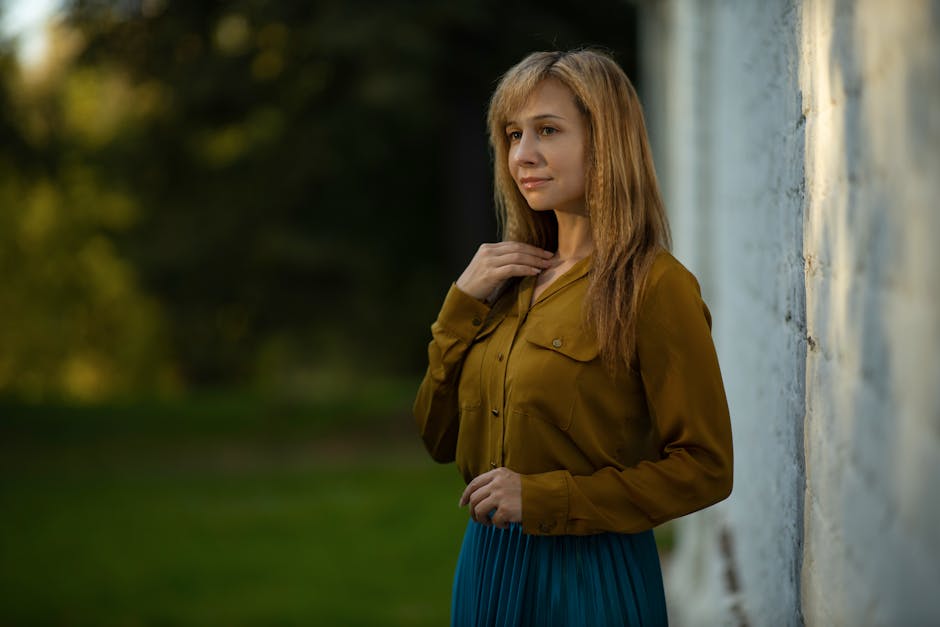
Pear shapes carry their weight in the hips and thighs, with narrower shoulders and a smaller bust. The goal here is to glide over the lower body while drawing the eye upward or balancing the width of the hips. If you wear a tight mini skirt, you are going to emphasize the widest part of your frame in a way that can feel bottom-heavy. Instead, you need volume that starts at the waist and flares out, masking the hip-to-thigh transition entirely.
The Power of the A-Line Midi
The Madewell A-Line Midi Skirt (approx. $98) is a staple for this body type. The denim or heavy cotton construction provides enough weight to hold its shape, meaning it won’t cling to your thighs. It creates a crisp triangular silhouette that mimics the taper of your waist while hiding the hip width. The pro of this style is its versatility; it works with boots, flats, or heels. The con is that if the fabric is too heavy, it can feel like you are carrying around a tent.
Avoid skirts with side pockets or heavy horizontal details across the hip area. These add bulk exactly where you don’t want it. Instead, look for vertical details like a row of buttons down the front or a vertical seam. These draw the eye up and down, creating a lengthening effect. Darker colors on the bottom half are a classic recommendation for a reason—they recede visually, allowing you to wear brighter colors or patterns on top to balance your proportions.
A common error for pear shapes is choosing skirts with too much fabric at the waist. Look for “flat-front” designs that don’t have pleats starting at the waistband. Pleats should start lower down to avoid adding inches to your midsection.
How do you choose a skirt for an inverted triangle shape?
Inverted triangles have broad shoulders and narrow hips. You are the opposite of the pear shape. Your lower body is likely lean, but your frame can look top-heavy if you wear slim-fitting skirts. The objective is to add volume to your bottom half to match the width of your shoulders. You are one of the few body types that can truly pull off heavy pleats, ruffles, and horizontal patterns on your lower half without looking overwhelmed.
Pleated and Skater Skirts
The Uniqlo Pleated Midi Skirt (approx. $49) is an excellent choice for adding the necessary bulk. The permanent pleats create a sense of movement and width that balances out broad shoulders. It’s affordable and easy to maintain. The pro is the immediate volume it provides without being heavy. The con is that the polyester fabric can generate static, and the elastic waistband can look cheap if not covered by a belt or a tucked-in shirt.
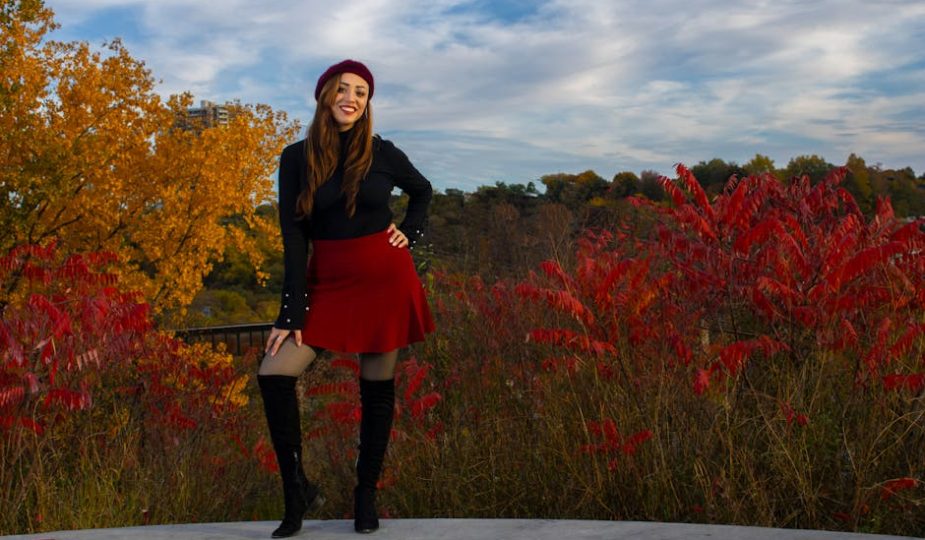
Skater skirts—those that flare out significantly from the waist—are also highly effective. They create an artificial hip curve that doesn’t exist naturally on this frame. If you have great legs, which many inverted triangles do, a shorter skater skirt is a powerful tool. It shows off your assets while fixing the proportional imbalance. Avoid pencil skirts or any “wiggle” skirts that taper inward at the hem; these will only make your shoulders look wider by comparison.
- Do: Use bold prints, bright colors, and textured fabrics like tweed or heavy lace.
- Do: Look for skirts with pockets to add hip width.
- Avoid: Dark, slim-fitting maxi skirts that disappear under a broad torso.
What are the top skirt recommendations for apple or round figures?
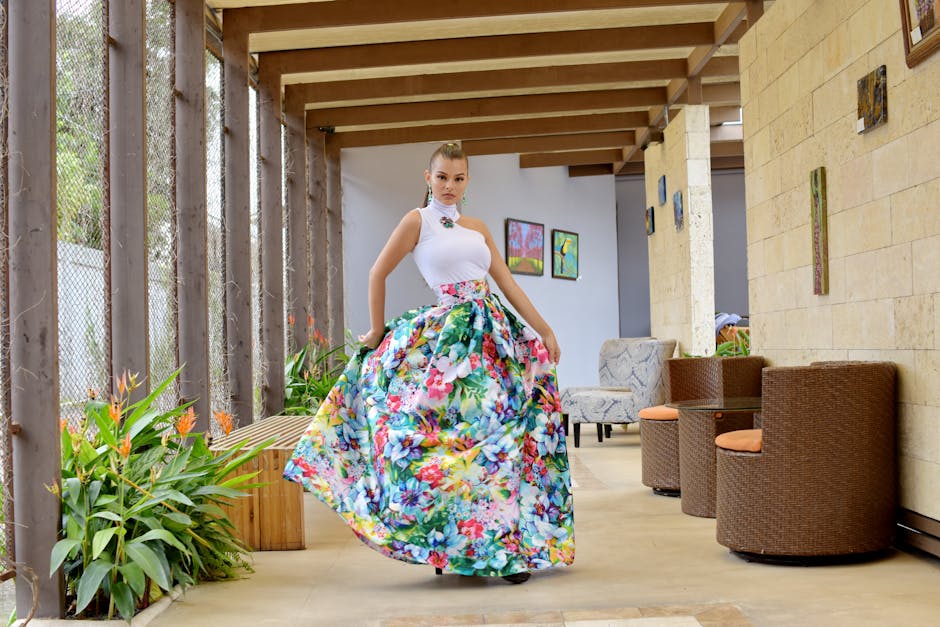
Apple shapes carry weight in the midsection and usually have slimmer legs. You want to avoid anything that cinches tightly at the natural waist or adds bulk to the stomach area. The goal is to create a longer, leaner line and draw attention to your legs. This is where the wrap skirt and the empire waist become your best friends. You need a silhouette that skims over the midsection rather than cutting into it.
The Functional Wrap Skirt
The Reformation Kourtney Wrap Skirt (approx. $148) is a high-quality option for this shape. Because it is a true wrap, you can adjust the tension at the waist to find the most comfortable and flattering point. The diagonal line created by the wrap breaks up the roundness of the midsection, which is a key visual trick. Pro: The adjustable fit is perfect for weight fluctuations. Con: The lightweight viscose fabric can be prone to wrinkling and requires delicate care.
Straight or “column” skirts can also work if they are made from a structured fabric that doesn’t cling. Look for styles that sit slightly higher than your natural waist—this is often the narrowest part of an apple-shaped torso. Short skirts are a great option here because they showcase the legs, which are usually a highlight of this body type. Just ensure the hemline is balanced by a more modest top to avoid looking like you are wearing too little clothing.
Avoid high-waisted skirts with thick, rigid waistbands. These will often roll down or create an uncomfortable “muffin top” effect. Look for flat-front elastic waists or side-zip closures that keep the front of the skirt smooth. If you choose a patterned skirt, go for small, busy prints rather than large, circular motifs which can emphasize roundness.
Which skirt cuts add curves to a rectangular or athletic frame?
If your shoulders, waist, and hips are all roughly the same width, you have a rectangular or athletic frame. You are a blank canvas, but the risk is looking “straight up and down.” You need to manufacture the illusion of curves. This is the time to embrace details that other body types might find too fussy: peplums, tiers, pockets, and heavy textures.
Tiered and Peplum Styles
The H&M Tiered Maxi Skirt (approx. $35) is a budget-friendly way to add volume. The horizontal seams of the tiers create visual breaks that suggest a wider hip area. The pro is the instant femininity and shape it adds to a lean frame. The con is that the cheaper cotton used by H&M can lose its crispness after a few washes, making the tiers look limp. For a more structured curve-builder, look for a peplum skirt—a pencil skirt with an extra ruffle at the waist.
Mini skirts with details like fly-front pockets or heavy embroidery also work well. They break up the vertical line of your body. If you want to wear a pencil skirt, look for one with a bold horizontal pattern or one made of a thick fabric like leather or suede. These materials add physical dimension to your frame. You can also experiment with “tulip” skirts, which have overlapping fabric in the front that mimics the shape of a flower petal, naturally adding bulk to the hip area.
| Style | Why it works for Rectangles | What to avoid |
|---|---|---|
| Tiered Maxi | Adds horizontal volume | Thin, vertical stripes |
| Tulip Skirt | Creates artificial hip curve | Bodycon jersey skirts |
| Peplum | Defines the waist visually | Seamless tube skirts |
How do fabric weight and hemline length affect your silhouette?
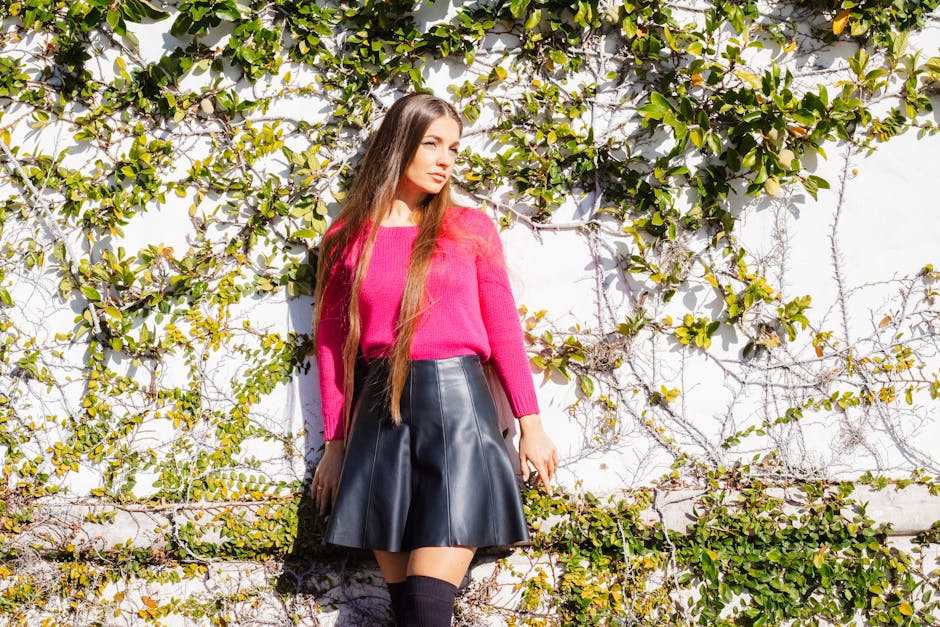
Fabric choice is just as important as the cut. You can have the perfect A-line skirt, but if it is made of a flimsy jersey, it will cling to every lump and bump, ruining the intended silhouette. Conversely, a stiff denim skirt might provide great structure but can look bulky on a petite frame. You have to match the weight of the fabric to the goal of the skirt. Heavy fabrics like wool, denim, and heavy ponte are for structure. Light fabrics like silk, chiffon, and rayon are for movement and draping.
The Science of Hemlines
Hemline length is the final piece of the puzzle. As a general rule, the hem should hit a narrow part of your leg. If a skirt ends at the widest part of your calf, it will make your legs look shorter and thicker. For most people, this means hitting just above the knee, just below the knee, or at the ankle. The “midi” length (mid-calf) is notoriously difficult because it cuts the leg at its widest point. If you are petite, a midi skirt can swallow you whole unless it has a high waist and you wear it with a heel to regain that lost vertical line.
Tall individuals can handle more fabric and longer lengths without losing their shape. However, if you are tall and rectangular, a floor-length maxi skirt can make you look like a monolith. In that case, look for a maxi with a slit or a sheer panel to break up the solid block of color. For those with shorter legs, a mini skirt paired with shoes in a similar color to your skin tone is the most effective way to create the illusion of height. It’s not magic; it’s just reducing the number of horizontal interruptions the eye has to process.
Finally, consider the “shoes-to-skirt” ratio. A heavy, chunky boot with a light, flowy skirt provides a nice contrast for athletic types but can overwhelm a pear shape. A sleek pump with a pencil skirt is the standard for hourglass figures for a reason—it continues the clean, curved line all the way to the floor. Stop looking at the skirt in isolation. Look at the whole silhouette from the shoulder to the toe. If the geometry doesn’t balance out, the outfit doesn’t work. Period.