Summer Seersucker
Why Choose Seersucker for Summer?
Looking for the ideal fabric to beat the summer heat without sacrificing style? Seersucker stands out. This distinctively puckered cotton fabric is a perennial favorite for warm weather, and for good reason. Its unique texture isn’t just aesthetic; it’s functional. The crinkled surface holds the fabric slightly away from the skin. This creates tiny air channels. These channels airflow, preventing fabric from sticking to your body even on the most humid days. This natural ventilation makes seersucker exceptionally breathable and comfortable.
The Unique Weave: Breathability and Airflow
The magic of seersucker lies in its weaving process. It’s typically woven with two different tensions. Some threads are woven tightly, others loosely. This difference causes the fabric to pucker in characteristic stripes or checks. This puckering is crucial. It’s what gives seersucker its signature texture and, more importantly, its superior breathability. Unlike flat fabrics that can trap heat and moisture, seersucker allows air to circulate freely. This design keeps you cooler and drier, making it a smarter choice than many other summer textiles like heavy linen or tightly woven poplin. It’s a purposeful design, not a flaw.
Beyond the Wrinkle: Low Maintenance Charm
One of seersucker’s greatest benefits is its inherent resistance to wrinkles. Because the fabric is already intentionally wrinkled or puckered, minor creases simply blend in. This makes it an incredibly low-maintenance option for travel or busy schedules. You can pull a seersucker shirt or jacket from a suitcase, give it a quick shake, and often wear it without needing an iron. This practical advantage saves time and effort. It maintains a crisp, yet relaxed, appearance effortlessly. Compared to linen, which wrinkles severely, seersucker offers a polished alternative that still feels relaxed.
Historical Roots and Modern Revival
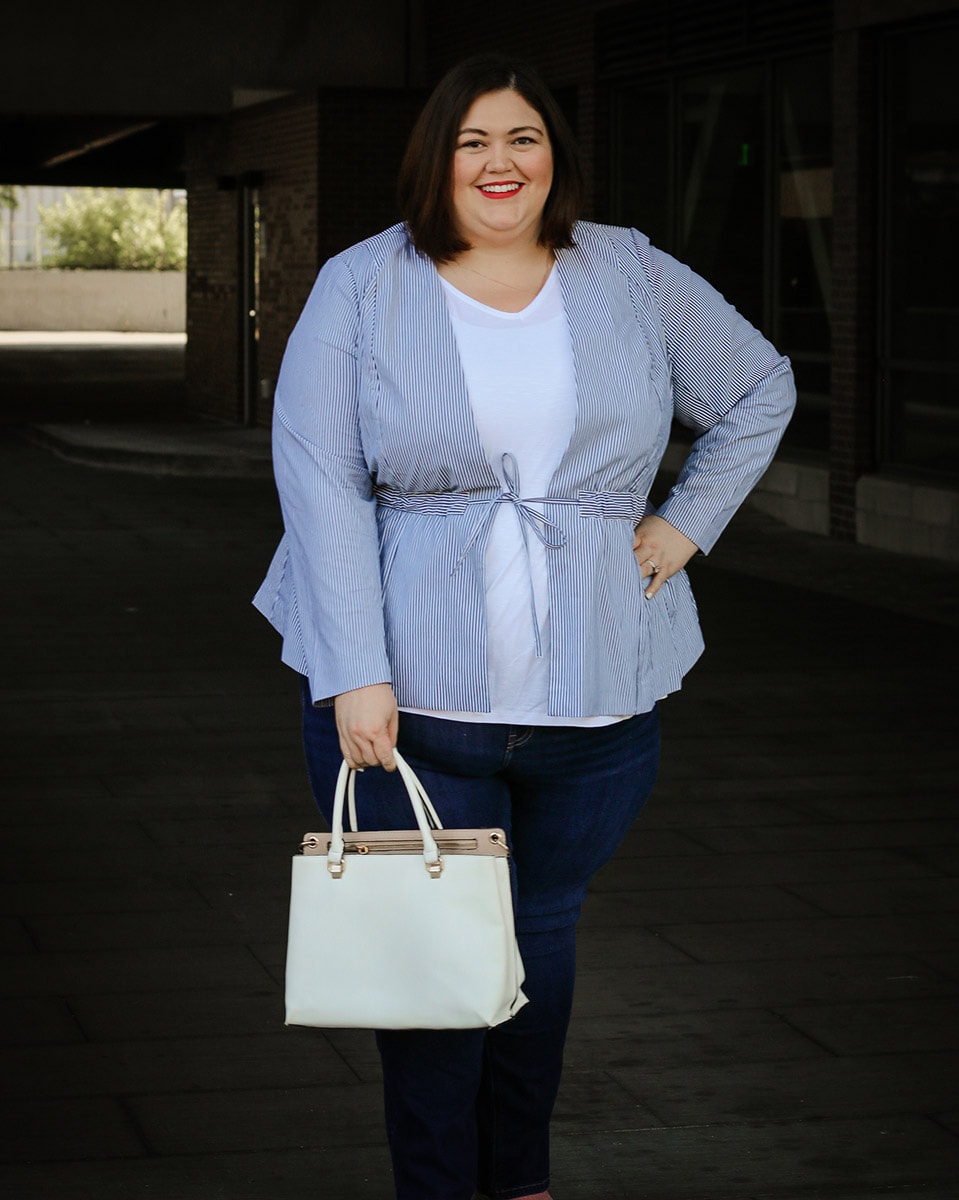
Seersucker has a rich history, originating in India and making its way to Western fashion in the late 19th and early 20th centuries. It quickly became a staple in the American South, prized for its ability to combat intense humidity. Traditionally, it was seen in light blue and white stripes, often associated with formal summer menswear like suits. Today, seersucker has expanded far beyond its traditional confines. Designers now incorporate it into a wide range of garments, from dresses and skirts to casual shorts and even accessories. It’s available in various colors and patterns, offering versatility while retaining its core functionality. This blend of heritage and modern appeal keeps seersucker relevant for contemporary wardrobes.
Decoding Seersucker Quality: What Matters Most?
Not all seersucker is created equal. Understanding the key factors in fabric quality ensures you invest in pieces that look good and last. Focus on the weave, material composition, and overall garment construction. These elements dictate comfort, durability, and how well the item holds its shape.
-
Fabric Blends: Cotton, Linen, and Synthetics
The best seersucker is traditionally made from 100% cotton. This natural fiber offers superior breathability and a soft hand feel. However, you’ll also find blends. A cotton-linen blend (e.g., 70% cotton, 30% linen) can add extra texture and a slightly more relaxed drape, enhancing its summer appeal. Avoid high percentages of synthetic fibers like polyester if maximum breathability is your priority. While synthetics can add durability and wrinkle resistance, they often compromise airflow. For instance, a 100% cotton seersucker blazer from Brooks Brothers will typically feel much cooler than a blend containing 40% polyester, especially in high humidity.
-
Stripe Width and Texture
Seersucker’s characteristic puckering can vary. Some fabrics have a subtle, fine pucker, while others feature a more pronounced, almost bubbly texture. Neither is inherently superior, but personal preference plays a role. Finer puckering often indicates a more refined weave, suitable for formal occasions like a seersucker suit. Wider, more pronounced puckers tend to lean towards casual wear. Stripe width also matters. The classic thin blue and white stripe (around 1/8 inch) is timeless. Broader stripes (1/4 inch or more) can make a bolder statement. Consider how the stripe width and texture complement your personal style and the garment’s intended use. For example, a narrow stripe works well for a tailored shirt, while wider stripes might suit casual shorts.
-
Construction Quality Indicators
Beyond the fabric, assess the garment’s construction. Look for strong, even stitching. Reinforced seams in high-stress areas like armholes and crotches are signs of durability. Buttons should be securely attached, preferably with a shank for longevity. If it’s a jacket, check the lining. Unlined or half-lined seersucker jackets are generally preferred for summer, as they maximize breathability. Fully lined jackets can trap heat, negating some of seersucker’s cooling benefits. Pay attention to the finish of buttonholes and hems. These small details often reveal the overall quality of the garment. Brands like J.Crew and Ralph Lauren generally maintain high standards in their seersucker garment construction.
Best Seersucker Garments for Every Occasion
Choosing the right seersucker piece depends on the event. It’s a versatile fabric, adaptable from formal to decidedly casual. My top recommendation is to start with a classic piece, then expand your collection to more playful options.
Classic Suits and Blazers
For warm-weather formal events, a seersucker suit is unmatched. Brands like Brooks Brothers are synonymous with this look, offering their iconic blue-and-white striped suits. These are ideal for summer weddings, garden parties, or business casual settings where a dark wool suit would be too heavy. A seersucker blazer can also be worn as a separate, paired with chinos or linen trousers for a smart, relaxed aesthetic. Look for blazers with minimal lining for maximum comfort. For example, the Brooks Brothers Regent Fit Seersucker Sport Coat typically retails around $400-$500 and offers a classic cut with light construction.
Casual Shirts and Shorts
Seersucker shirts are perfect for everyday wear. Button-downs, popovers, and short-sleeve options are readily available. They pair well with denim, chinos, or even swim trunks for a smart beach look. Seersucker shorts offer a comfortable alternative to heavier denim or twill. They are excellent for casual outings, weekend errands, or simply lounging. Brands such as J.Crew and Bonobos offer a wide range of seersucker shirts and shorts in various colors beyond the traditional blue, often priced between $70-$120 for shirts and $60-$90 for shorts. Consider a solid colored seersucker shirt for a more subtle texture.
Dresses and Skirts
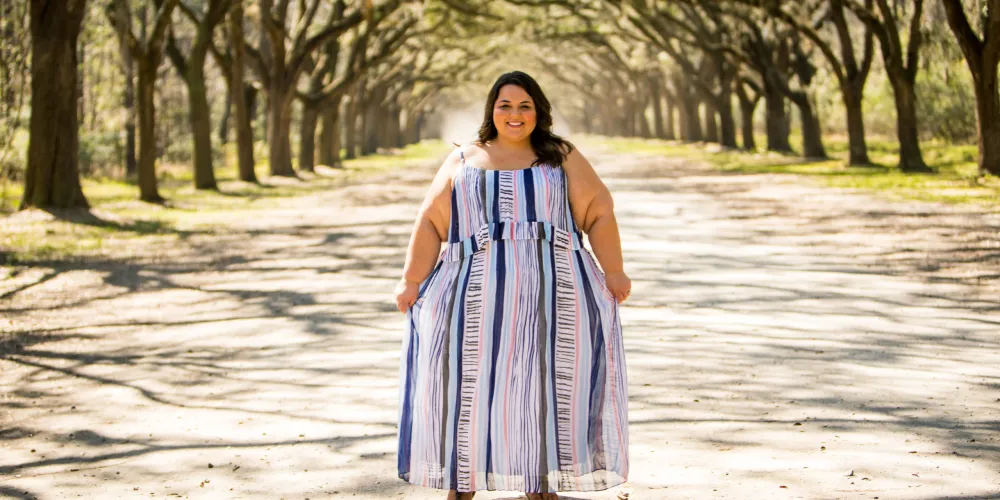
For women, seersucker dresses and skirts provide stylish and cool options. A seersucker sundress is perfect for daytime events, while a structured shift dress in seersucker can be dressed up for evening. Skirts, from A-line to pencil styles, offer a comfortable base for summer outfits. Pair them with simple cotton blouses or knit tops. Ralph Lauren and Vineyard Vines often feature elegant seersucker dresses and skirts in their summer collections, ranging from $100 for skirts to $250+ for dresses. These pieces blend classic preppy aesthetics with practical summer comfort.
Caring for Your Seersucker: Longevity Tips
Proper care ensures your seersucker garments maintain their distinctive texture and last for many summers. This fabric is relatively forgiving, but a few simple steps can make a big difference.
Washing and Drying Best Practices
Most seersucker items, especially those made from 100% cotton, are machine washable. Use cold water on a gentle cycle. Hot water can cause excessive shrinkage and potentially damage the puckered texture. A mild detergent is sufficient. Avoid bleach, which can weaken the fibers and fade colors. For drying, air-drying is the best method. Hang your seersucker garments on a padded hanger. This helps them retain their shape and allows the fabric to dry naturally, preserving the unique pucker. If you must use a dryer, select a low heat setting and remove the garment while it is still slightly damp. Over-drying can set wrinkles that are difficult to remove and diminish the fabric’s natural springiness. Ironing is rarely needed for seersucker; the charm is in its deliberate texture. If you feel compelled to iron, use a low setting and iron on the reverse side to protect the puckers.
Storage: Keeping the Crinkle
Storing seersucker correctly prevents unnecessary creasing and helps maintain its appearance. Always ensure garments are clean and completely dry before storing them. Hanging seersucker shirts, dresses, and jackets in your closet is ideal. Use good quality hangers that support the garment’s shoulders. Avoid overcrowding your closet, as this can compress the fabric and flatten the puckers. For items like shorts or skirts, folding them neatly is acceptable, but avoid tight folds that might create sharp creases. If storing for the off-season, use breathable garment bags. Plastic bags can trap moisture and lead to mildew. A cool, dry, dark place is always best for fabric storage, protecting it from fading and degradation over time. Following these steps will extend the life of your favorite seersucker pieces.
Common Seersucker Styling Missteps to Avoid
While seersucker is versatile, a few common errors can undermine its appeal. Avoid these pitfalls to ensure your seersucker looks sharp and appropriate.
- Wearing it in the wrong season: Seersucker is quintessentially a summer fabric. Wearing it outside of warm weather months can look out of place. Stick to spring and summer, generally from Memorial Day to Labor Day, unless you live in a perpetually warm climate.
- Ignoring the fit: Too Loose vs. Too Tight: Seersucker suits and separates should fit comfortably. A too-tight fit can pull at the puckers and look strained. A too-loose fit can appear sloppy, especially with the fabric’s naturally relaxed drape. Aim for a tailored but relaxed fit; shoulders should align, and trousers should break cleanly.
- Over-accessorizing: Seersucker has a strong, distinctive texture and often a striped pattern. Keep accessories minimal and understated. A solid tie, a simple watch, or classic leather loafers complement the fabric without competing with it. Avoid busy patterns or overly flashy jewelry.
- Color Coordination: While seersucker is available in many colors, the classic blue and white stripe pairs best with complementary neutrals. Think white, khaki, light grey, or navy. Bright, clashing colors can detract from seersucker’s refined casual aesthetic.
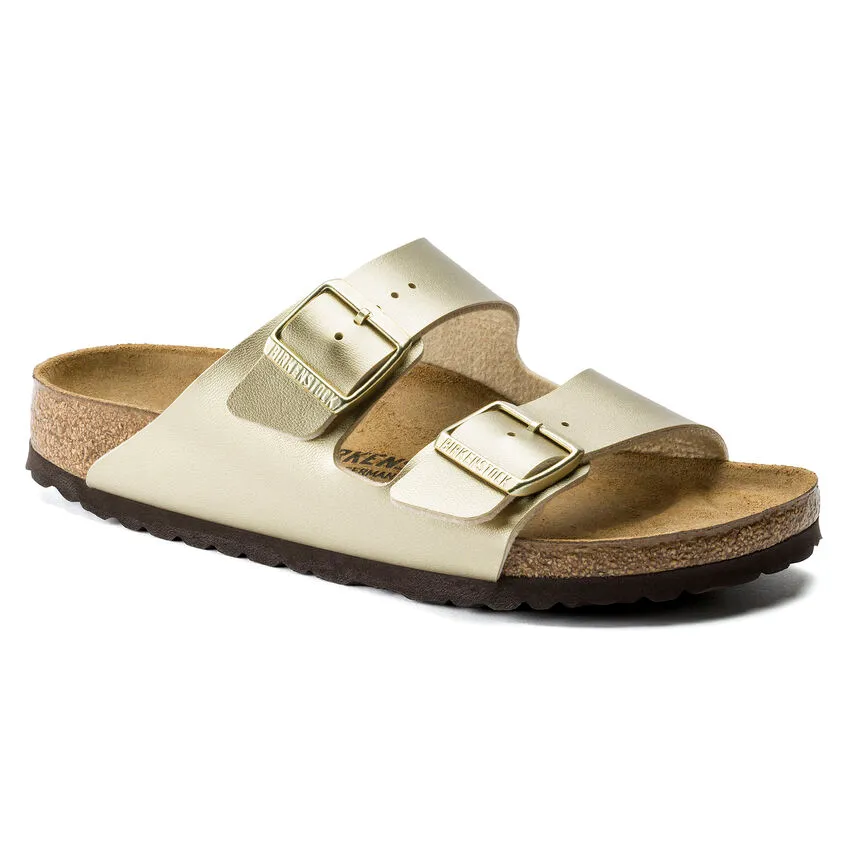
- Neglecting your shoes: Footwear can make or break a seersucker outfit. For suits, opt for light-colored loafers, boat shoes, or clean white sneakers for a modern twist. For casual wear, espadrilles, sandals, or canvas sneakers are excellent choices. Avoid heavy, dark dress shoes that can look disproportionate and out of season.
Top Seersucker Brands: Where to Find Quality
Finding quality seersucker means looking to brands known for their heritage, fabric sourcing, and construction. Here’s a quick comparison of leading names.
Brooks Brothers Seersucker Suits
Brooks Brothers remains the benchmark for classic seersucker suits. Their commitment to traditional cuts and high-quality cotton ensures a durable, timeless garment. Expect a traditional fit and impeccable tailoring. Their unlined or half-lined blazers are particularly well-suited for hot weather.
J.Crew’s Casual Offerings
J.Crew excels in more contemporary and casual seersucker pieces. They offer a broader range of colors and patterns beyond the classic blue. Look for their seersucker shirts, shorts, and casual dresses. Their cuts are often more modern and slim-fitting, appealing to a younger demographic seeking a relaxed yet polished summer look.
Ralph Lauren’s Preppy Staples
Ralph Lauren embodies preppy elegance with its seersucker collections. They offer a mix of traditional and slightly more fashion-forward pieces. Expect quality cotton, classic silhouettes, and attention to detail. Their seersucker dresses, blazers, and polo shirts are quintessential summer wardrobe additions, often featuring subtle branding.
| Brand | Signature Products | Style Focus | Typical Price Range |
|---|---|---|---|
| Brooks Brothers | Suits, Blazers, Trousers | Classic, Traditional, Formal Casual | $$$ ($200 – $700+) |
| J.Crew | Shirts, Shorts, Dresses, Casual Blazers | Modern, Relaxed, Preppy Casual | $$ ($50 – $250) |
| Ralph Lauren | Blazers, Dresses, Polo Shirts, Shirts | Preppy, Elegant, Timeless | $$$ ($100 – $500+) |
| Bonobos | Shirts, Shorts, Untucked Shirts | Contemporary, Tailored Casual | $$ ($70 – $180) |
Your Quick Guide to Summer Seersucker: Key Takeaways
Seersucker is a smart choice for summer dressing. It offers distinct benefits in terms of comfort, style, and ease of care. Prioritize 100% cotton for best breathability and pay attention to garment construction.
Key Seersucker Considerations:
- Breathability: Excellent due to unique puckered weave.
- Maintenance: Naturally wrinkle-resistant, low ironing required.
- Versatility: Suitable for both casual and semi-formal summer occasions.
- Fabric Choice: 100% cotton is best; avoid high synthetic blends.
- Fit: Tailored but relaxed is ideal; avoid too tight or too loose.
- Top Brands: Brooks Brothers for classic suits, J.Crew for modern casual, Ralph Lauren for preppy elegance.