
What Years of Foot Care Taught Me About Heel Lifts
Forget what you think you know about heel lifts. Most people use them wrong, for the wrong reasons. They’re not just some vanity accessory to add a few millimeters to your height, or a quick fix for vague foot discomfort. That’s a total waste of time and money. If you’re serious about fixing genuine issues like leg length discrepancy or persistent posture problems, you need to understand their real purpose. It’s about balance, alignment, and relief, not just boosting your ego. Let’s get this straight.
Stop Using Heel Lifts for Just Height
This is where everyone goes wrong. You see someone taller, hear about lifts, and think, “Instant fix!” No. Just no. Using heel lifts solely for artificial height is a mistake. A big one. It messes with your natural biomechanics, shifts your center of gravity, and can actually create new problems, or worsen existing ones, instead of solving anything. You end up with unnecessary strain on your knees, hips, and lower back. Your body isn’t designed for arbitrary height changes.
The real utility of a heel lift lies in correcting imbalances. Specifically, a true leg length discrepancy (LLD). This isn’t something you guess at. It’s a measurable difference in the length of your legs, which can lead to a cascade of issues from your feet all the way up to your spine. Without a legitimate reason, adding a lift is like trying to fix a perfectly good engine with a random spare part. It’s counterproductive, and honestly, a bit foolish.
Why Artificial Height Lifts Are a Bad Idea
- Altered Gait Mechanics: Your natural walking pattern gets thrown off. This can lead to inefficient movement, increased energy expenditure, and eventually, pain in areas you didn’t have before. Your foot strike changes, your push-off changes. Everything changes.
- Increased Joint Strain: Artificially elevating your heel puts more pressure on the balls of your feet and can hyperextend your knees. Over time, this contributes to conditions like metatarsalgia or patellofemoral pain syndrome. You’re trading one potential issue for several definite ones.
- Spinal Misalignment Risks: Your spine works hard to keep you balanced. Introducing an unneeded lift forces it to compensate, leading to scoliosis-like curvatures, muscle spasms, and chronic back pain. It’s a recipe for long-term discomfort.
Focus on the actual problem. If there’s no problem, don’t invent one with an unnecessary lift. If there is a problem, ensure you address the root cause, which starts with accurate diagnosis, not guesswork.
Pinpointing Your True Leg Length Discrepancy

Before you even think about buying a heel lift, you need to know if you actually need one. And if so, what precise height. This isn’t a DIY job you do by eye in front of a mirror. You need proper assessment. Most people skip this critical step and wonder why their issues persist or worsen. Don’t be one of those people. Get it right from the start.
There are two main types of leg length discrepancy: structural and functional. Structural LLD means an actual anatomical difference in bone length, typically measured from the hip joint to the ankle. This is what heel lifts are designed to correct. Functional LLD is when your legs are the same length, but issues like pelvic tilt, muscle imbalances, or joint restrictions make one leg *appear* shorter. Heel lifts won’t fix functional LLD; they might even make it worse. This distinction is crucial.
For a structural LLD, a healthcare professional, usually a chiropractor, physical therapist, or orthopedic doctor, will perform specific measurements. They have the tools and training to do this accurately. Don’t rely on internet hacks or your friend’s advice. This is your body we’re talking about.
Accurate Measurement Methods
- Tape Measure Method (Clinical): This involves lying flat on your back. The clinician measures from the Anterior Superior Iliac Spine (ASIS) — the bony prominence at the front of your hip — down to the Medial Malleolus, which is the bony bump on the inside of your ankle. They’ll measure both legs and note the difference. This method is common but can have a margin of error due to soft tissue compression.
- Block Test (Functional Assessment): While standing, the clinician places blocks of known thickness under the shorter limb until your pelvis appears level. This helps gauge the functional impact. It’s more about how your body responds to the correction rather than just bone length. This often complements the tape measure method.
- Radiographic (X-ray) Scanogram: This is the gold standard. A full-length X-ray of your lower limbs, taken while standing, provides precise bone length measurements. There’s no guesswork here. It directly shows the anatomical difference. If you’re serious about correction, push for this. It gives you an exact millimetric measurement, eliminating the uncertainty of manual techniques.
Once you have a verified measurement, say 5mm, that’s your starting point. You don’t necessarily jump straight to a 5mm lift. Often, practitioners recommend a gradual increase, especially for larger discrepancies, to allow your body to adapt. But the key is knowing the actual number. Guessing is just asking for more trouble down the line.
Selecting the Optimal Heel Lift: Materials and Heights
Alright, you’ve got your measurement. Now for the actual lift. This isn’t rocket science, but ignoring the details will lead to discomfort and wasted effort. You need the right material and the correct height. Period. No shortcuts here if you want it to actually work.
Different materials offer different properties. Some are firmer, some provide more cushioning, and some are just cheap garbage. Your choice impacts durability, comfort, and how well the lift integrates into your shoe. Don’t just grab the first thing you see.
Heel Lift Material Comparison
| Material Type | Pros | Cons | Ideal Use |
|---|---|---|---|
| Cork | Firm, stable, durable, lightweight, natural. Maintains its height well. | Can be rigid, less cushioning, can be brittle if thin. | Permanent LLD correction, where firm support is key. Best for higher discrepancies. |
| EVA Foam | Lightweight, good cushioning, flexible, shock-absorbing. Easily trimmed. | Compresses over time, loses height, less durable than cork. | Temporary use, lower discrepancies, or for sports where cushioning is valued. |
| Silicone Gel | Excellent shock absorption, soft, comfortable, non-slip, hypoallergenic. | Too soft for significant LLD, compresses easily under weight, can stick. | Minor discrepancies (1-2mm), heel pain relief (e.g., plantar fasciitis), comfort inserts. Not ideal for true LLD correction. |
| Hard Plastic/Polymer | Very durable, maintains height perfectly, firmest support. | No cushioning, can be uncomfortable, may require additional soft top layer. | Severe LLD, industrial footwear, situations demanding absolute height consistency. |
Height is just as crucial. Remember that precise measurement? You’re aiming to match it. But again, don’t overdo it initially. Most practitioners suggest starting with a lift that corrects about 50-75% of the discrepancy and gradually increasing it as your body adjusts over weeks or months. For instance, a 10mm LLD might start with a 5mm or 7mm lift. Jumping to the full 10mm right away can shock your system and cause new aches.
Gradual Adjustment Strategy
- Start Small: For discrepancies under 5mm, start with 50% of the measured height. For instance, a 4mm LLD starts with a 2mm lift.
- Monitor Response: Pay attention to your body. Any new knee, hip, or back pain? Reduce the lift. Comfort means you can consider increasing.
- Incremental Increases: Increase by 1-2mm every 2-4 weeks, only if comfortable. Stop when you reach the full correction or maximum comfort.
- Professional Guidance: Always follow your clinician’s advice. They know your specific case. Don’t freelance this part.
Choosing the right material and height isn’t optional. It’s fundamental to getting any real benefit from a heel lift. Skimp here, and you’re just wasting time.
Seamlessly Integrating Lifts into Your Footwear

You’ve got the correct lift. Great. Now you need to actually use it properly. This isn’t just about dropping it into your shoe and walking away. Shoe choice matters. Fit matters. Ignoring these details negates all the effort you put into diagnosis and selection. A perfectly chosen lift is useless if it doesn’t fit or causes your foot to slide around. Get this right, or don’t bother.
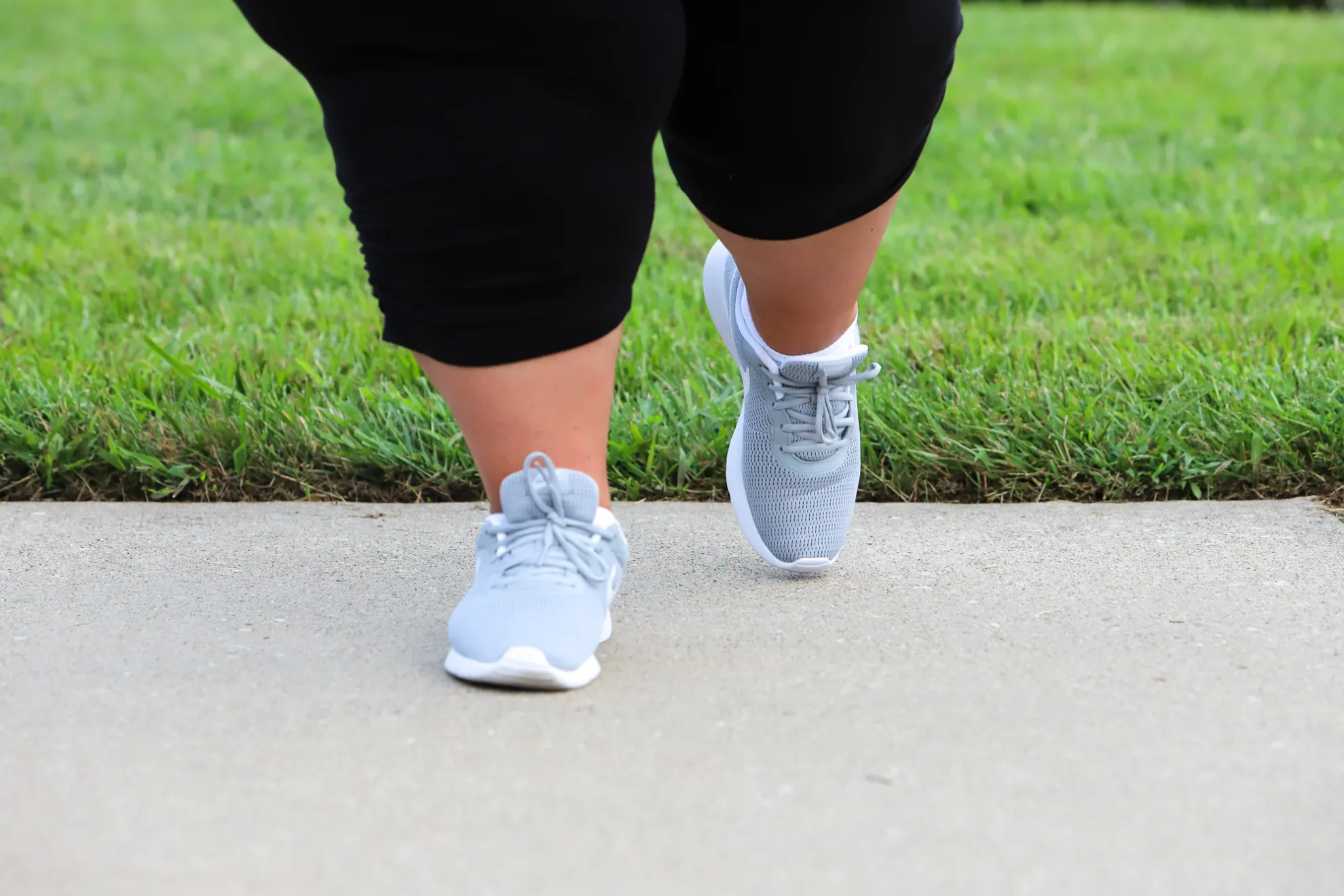
- Prioritize Deeper Heel Cups: Many standard shoes have shallow heel cups. Adding a lift can push your foot too high, causing your heel to slip out or rub uncomfortably. Look for shoes with a deeper heel cup to accommodate the added height without compromising fit or stability. Athletic shoes, certain boots, or shoes designed for orthotics are often good candidates.
- Check for Removable Insoles: The best way to integrate a lift is to remove the existing insole and place the lift directly on the shoe bed, then put the original insole back on top. This creates a smoother transition and prevents the lift from shifting. If your shoes have glued-in insoles, you might need to reconsider that footwear for daily lift use.
- Ensure Adequate Toe Box Room: Raising your heel effectively pushes your foot slightly forward. This can reduce the space in your toe box, leading to cramped toes, rubbing, and potential issues like bunions or hammertoes. Always check that your toes have enough wiggle room after inserting the lift. You should have at least half an inch (about a thumb’s width) between your longest toe and the end of the shoe.
- Consider Shoe Volume: A lift takes up space. If your shoe is already a snug fit, adding a lift will make it too tight across the instep or top of your foot. Opt for shoes with a bit more volume or adjustable closures like laces that allow for some expansion. Avoid slip-ons or ballet flats unless the lift is extremely thin (1-2mm).
- Use Full-Length vs. Heel-Only Lifts Wisely: For minimal discrepancies (1-3mm), a heel-only lift might be sufficient and easier to integrate. However, for larger discrepancies (4mm+), a full-length insert that incorporates a heel lift is often more stable and distributes pressure more evenly across the foot, preventing a sharp drop-off that can cause discomfort. A partial lift can create a noticeable slope inside the shoe that feels unnatural.
- Secure the Lift: Some lifts come with adhesive backing. Use it. If not, a small piece of double-sided tape can prevent the lift from sliding forward or bunching up inside the shoe, especially during active use. A shifting lift is worse than no lift at all.
Don’t just jam it in there. Think about how the lift interacts with your entire shoe and your foot. Proper integration makes all the difference between a functional correction and an irritating nuisance.
The Single Biggest Mistake New Heel Lift Users Make

Here it is. The absolute worst thing you can do when starting with heel lifts: expecting instant, complete relief and failing to be patient. You’ve had a leg length discrepancy for years, maybe decades. Your body has adapted. It has compensated in myriad ways, creating new muscle patterns, joint positions, and postural habits. You won’t undo all that overnight.
Trying to force a full correction too quickly, or giving up after a week because you still feel some discomfort, is just plain foolish. You’re reversing years of adaptation. Your muscles, ligaments, and joints need time to adjust to the new, corrected alignment. This process takes weeks, sometimes months. Expect some initial discomfort. Expect your body to feel different, maybe even a bit awkward at first. Stick with the gradual adjustment, listen to your body, and follow professional advice. That initial misconception about lifts being a quick fix? It sets you up for failure. Be patient. Give it time to actually work.