Polo Shirts Pakistan: My Top Picks After Years
It sounds crazy, but I once tracked every polo shirt I bought for five years straight. The average lifespan of a Pakistani-brand polo? A dismal 9 months before it started pilling, fading, or losing its shape. People throw away good money on something they think is a basic staple, only for it to fall apart after a few washes. I’ve made those mistakes, so you don’t have to. After countless purchases and rigorous wear tests, I’ve got strong opinions on what actually works here in Pakistan.
Why Most Pakistani Polo Shirts Fail the “One-Year Test”
Listen, I’ve seen it all. From the ridiculously cheap market finds to the supposedly premium options that cost an arm and a leg, most polo shirts sold in Pakistan just don’t hold up. The biggest culprit isn’t always the brand name; it’s the underlying fabric quality and construction. Too many brands cut corners where it counts, and you end up with a shirt that looks great on day one but is ready for the donation pile by day 365. It’s frustrating to buy something you expect to be a wardrobe staple only to have it degrade so quickly.
The Hidden Cost of Cheap Cotton
When a tag just says "100% Cotton," that means almost nothing. It’s like saying "car." Is it a Suzuki Mehran or a Mercedes S-Class? The grade of cotton, the staple length, and how it’s spun make all the difference. Many local brands use short-staple cotton, which is cheaper to source. This short fiber means more exposed ends, leading directly to pilling – those annoying little fabric balls – after just a few washes. It also means the fabric is weaker, more prone to stretching out of shape, and loses its color faster because the dye doesn’t bind as effectively. I’ve bought polos for PKR 1200-1500 that look fantastic in the store, only to have them pill terribly after three washes. You think you’re saving money, but you’re actually paying more per wear.
Fit: It’s Not Just About Your Size
Another major issue is the cut. A polo shirt should drape well, not cling too tightly nor look like a tent. I’ve noticed a pervasive problem with sleeve length and width in many Pakistani brands. The sleeves are either too long, extending past the bicep, or too wide, flaring out awkwardly. A good polo sleeve should hit about midway down the bicep and have enough taper to look neat without being restrictive. The collar is crucial too; it should stand up crisply when buttoned and lay flat when open. Many cheaper polos have flimsy collars that curl and lose their shape, turning a smart-casual look into a sloppy one. It’s not about being super muscular; it’s about a cut that complements the average physique. I’ve had to return so many shirts because the body fit was fine, but the sleeves made me look like I was drowning in fabric.
Piqué vs. Jersey vs. Blends: My Fabric Showdown
Picking the right fabric is arguably the most important decision when buying a polo. Each type has its pros and cons, especially in Pakistan’s climate. Don’t let anyone tell you "cotton is cotton." That’s a rookie mistake. I’ve seen brands marketing "premium cotton" that’s just a glorified jersey knit that feels flimsy after a month. For me, true piqué cotton is generally the king for durability and classic style, but there are situations where other fabrics make more sense.
| Fabric Type | Pros | Cons | Best Use Case | Typical Price (PKR) |
|---|---|---|---|---|
| Piqué Cotton | Breathable, durable, textured, classic look, holds shape well. | Can feel rough initially, wrinkles easily, heavier than jersey. | Everyday wear, smart-casual, longevity. | 2000-4000 |
| Jersey Cotton | Soft, smooth, drapes well, comfortable next to skin. | Prone to pilling, stretches out, less durable, can look too casual. | Very casual wear, comfort-focused. | 1500-2500 |
| Cotton-Poly Blend | Wrinkle-resistant, retains color, quick-drying, often cheaper. | Less breathable, can feel synthetic, prone to odor retention. | Sports, active wear, travel. | 1800-3000 |
| Interlock Knit | Very soft, smooth, denser than jersey, resists curling. | Less breathable than piqué, can be warmer, heavier. | Formal casual, cooler weather. | 2500-4500 |
Understanding True Piqué
When I talk about piqué, I mean the fabric with the distinct waffle-like weave. This construction creates tiny air pockets, making it incredibly breathable, which is essential in Pakistan’s heat. More importantly, that textured weave is inherently more durable than a flat jersey knit. It resists snags and pilling much better. The best piqué polos have a substantial hand-feel; they feel weighty and structured, not flimsy. You can tell a good piqué by how the collar stands up and the placket lays flat. It’s the standard for brands like Lacoste for a reason – it just lasts. Don’t settle for thin, cheap piqué that feels like it’s barely holding together. If it feels too light, it probably won’t last.
The Case for Performance Blends
While I generally lean towards 100% cotton piqué for everyday wear, I’ve found a place for cotton-polyester blends, especially for active use or travel. The polyester content adds wrinkle resistance and helps the shirt dry faster, which is a huge plus when you’re on the go or dealing with humid weather. The key is finding a blend that doesn’t feel overly synthetic or plasticky. Look for blends with at least 60% cotton to maintain some breathability and natural feel. They might not have the classic drape of pure cotton, but their practical benefits are undeniable. For a weekend trip where I want to pack light, a good quality blend is often my go-to because I know it will look decent even if it’s been rolled up in a bag for a day.
The Absolute Best Value Polo Right Now
Hands down, for sheer quality, durability, and a classic fit that just works, you need to be looking at Junaid Jamshed (J.)’s basic piqué polos. They consistently deliver. Around PKR 2500, you’re getting something that will outlast competitors twice over.
My Top 3 Pakistani Brands for Durability and Style
After years of trial and error, these are the brands I consistently return to for polo shirts in Pakistan. I’ve spent my own money on them, washed them countless times, and they’ve stood the test. These aren’t just names; they’re my vetted recommendations for specific reasons.
-
Junaid Jamshed: The Everyday Workhorse
Junaid Jamshed, or simply J., has really stepped up their game in men’s casual wear. Their standard piqué cotton polos are my go-to for everyday wear. The cotton quality is consistently good – a medium-weight piqué that holds its shape and texture well. I’ve found their collars to be sturdy, resisting the dreaded curl that plagues so many other brands. The fit is generally a comfortable regular fit, not too slim, not too baggy, which is perfect for most body types here. They offer a fantastic color palette, from vibrant to muted tones. I usually pick up a few of their solids for around PKR 2500-2800 each during sales. They’re reliable, they last, and they don’t break the bank. For anyone building a core wardrobe, these are essential.
-
Outfitters: Trendy Without Breaking the Bank
If you’re looking for something a bit more contemporary with a slightly slimmer cut without sacrificing too much quality, Outfitters is a solid choice. They often experiment with different fabric textures and washes, giving their polos a more fashion-forward edge. While their 100% cotton piqué isn’t always as dense as J.’s, it’s still good for the price point, typically ranging from PKR 1800-2500. Their sleeve length and armhole fit are usually spot-on for a modern look. I’d recommend them for younger individuals or anyone who prefers a more tailored, current style. Just be a bit selective; some of their lighter jersey knits might not have the same longevity as their piqué options. I’ve bought some of their blended polos for casual outings, and they hold up well enough for a season or two.
-
Cambridge: For the Classic Look
Cambridge polos are for the man who appreciates timeless style and is willing to pay a bit more for it. Their piqué cotton is often a heavier, more luxurious weight than J. or Outfitters, giving it a premium feel. The fit is more traditional and relaxed, leaning towards classic rather than trendy. Their colors are usually deep and rich, and they maintain their vibrancy over many washes. While they can be pricier, often in the PKR 3000-4000 range, you’re investing in a polo that will be a staple for years. I have a few Cambridge polos that are easily 3-4 years old and still look great. If you prioritize longevity and a sophisticated, understated look, Cambridge is the way to go. Their interlock knits are also excellent for cooler evenings or a slightly more refined feel.
How to Keep Your Polo Shirt Looking New for Years
Even the best polo shirt won’t last if you don’t treat it right. I’ve extended the life of countless shirts by simply changing my laundry habits. It’s not rocket science, but it makes a huge difference. Think of it as protecting your investment. You wouldn’t put premium fuel in a cheap engine, so don’t subject quality fabrics to harsh washing routines. These tips are universal, regardless of the brand you choose.
The Cold Wash, Air Dry Rule
This is non-negotiable for me. Washing in cold water (or even cool water) drastically reduces color fading and prevents shrinkage. Hot water is the enemy of cotton fibers; it weakens them and causes dyes to bleed. Always turn your polo shirts inside out before washing – this protects the outer fabric from abrasion in the machine, which is a major cause of pilling. As for drying, never, ever put a polo shirt in a high-heat dryer. The intense heat will shrink the cotton, warp the collar, and degrade the elastic in the cuffs and placket. Hang them to air dry on a wide hanger or lay them flat. If you absolutely must use a dryer, use the lowest heat setting possible and pull them out while they are still slightly damp to finish air drying. This simple change alone can add years to your polo shirts.
Ironing for Longevity (Or Not)
While a crisp, ironed polo looks great, excessive or improper ironing can also shorten its lifespan. If your polo is 100% cotton piqué, it will likely wrinkle. Use a medium heat setting on your iron and always iron it inside out to prevent shine marks, especially on darker colors. For blends or performance fabrics, you might not even need to iron if you’ve air-dried it properly. If you do iron, avoid pressing down too hard on the collar and placket. Sometimes, a quick steam is all it needs. And seriously, don’t iron over any plastic buttons or embellishments; they will melt and ruin your shirt. I usually only iron my polos if I’m wearing them for a more formal-casual occasion. For everyday wear, a well-aired, wrinkle-free polo from hanging is perfectly acceptable.
Comparison Summary: My Top Polo Picks
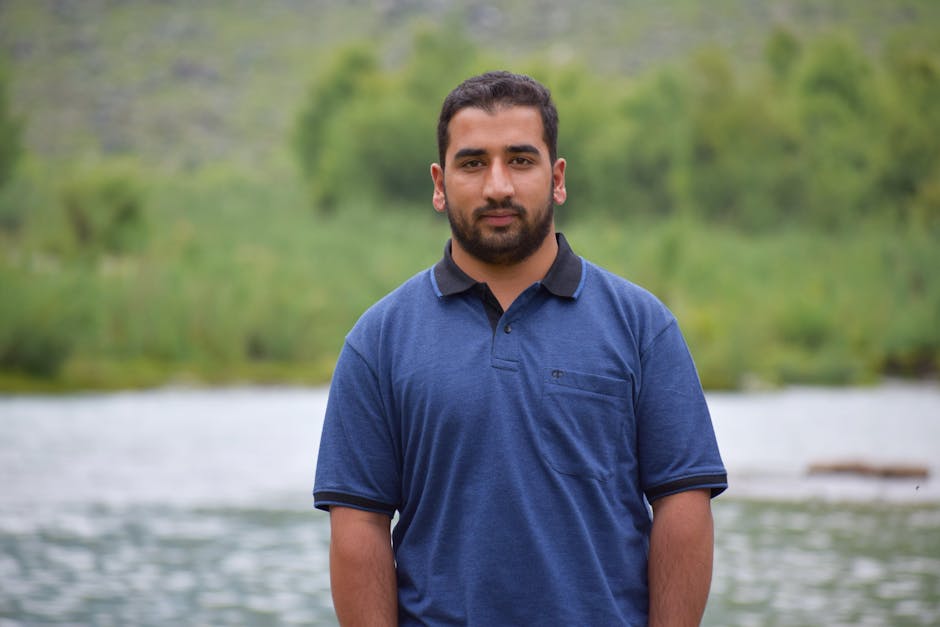
To wrap it all up, here’s my quick guide to navigating the polo shirt market in Pakistan:
- Best Overall Value & Durability: Junaid Jamshed (J.) piqué polos. Solid quality, good fit, excellent longevity for the price (around PKR 2500-2800).
- Best for Modern Style & Fit: Outfitters. Slightly slimmer, more contemporary designs, decent quality for the price (PKR 1800-2500).
- Best for Premium & Classic Look: Cambridge. Heavier, more luxurious piqué, traditional fit, built to last (PKR 3000-4000).
- Fabric Recommendation: Prioritize piqué cotton for durability and breathability.
- Washing Tip: Always cold wash, turn inside out, and air dry. No hot dryers!