Peppy Plaid
Plaid. It’s tricky. You see it everywhere, but rarely does it look *right*. Most people fall into the same traps: lumberjack, school uniform, or just plain dated. It doesn’t have to be that way. Plaid can be sharp, modern, even edgy. You just need to know how to handle it. Stop settling for boring.
The Problem with Plaid (And Why You Keep Getting It Wrong)
Plaid isn’t inherently bad. It’s the execution that kills it. Stop blaming the print; blame your approach. The biggest mistake? Treating all plaid the same. It’s a complex pattern with a thousand variations, each demanding a different hand. You pick up a flannel shirt and instantly default to jeans and boots. Result? Predictable. Boring. You look like you’re off to chop wood, not conquer the day. That’s a missed opportunity. This isn’t about rejecting plaid; it’s about rejecting tired styling. You’re stuck in a rut because you haven’t broken down what makes good plaid work and bad plaid fail. Understand these fundamental flaws, then ditch them.
Scale Matters: Don’t Get Swallowed by the Print
The size of your plaid can make or break an outfit. A massive, oversized check on a full coat will dominate your frame, especially if you’re petite. It looks like the coat is wearing you, not the other way around. Conversely, a tiny, almost imperceptible micro-check on a blazer can get lost in the shuffle, looking like a dull solid from a distance. It loses its impact entirely. You need balance. For bolder statements, like a large Buffalo Check, keep the garment structured and the rest of the outfit minimal. Think a single, well-fitting jacket, not an entire suit. For more intricate patterns, like a Prince of Wales Check or Glen Plaid, a tailored piece like trousers or a skirt shines. The pattern’s detail can be appreciated without overwhelming the viewer. Don’t just grab any plaid; consider its scale against your body and the garment’s purpose. It’s about harmony, not chaos.
Color Confusion: Ditching the Lumberjack Palette
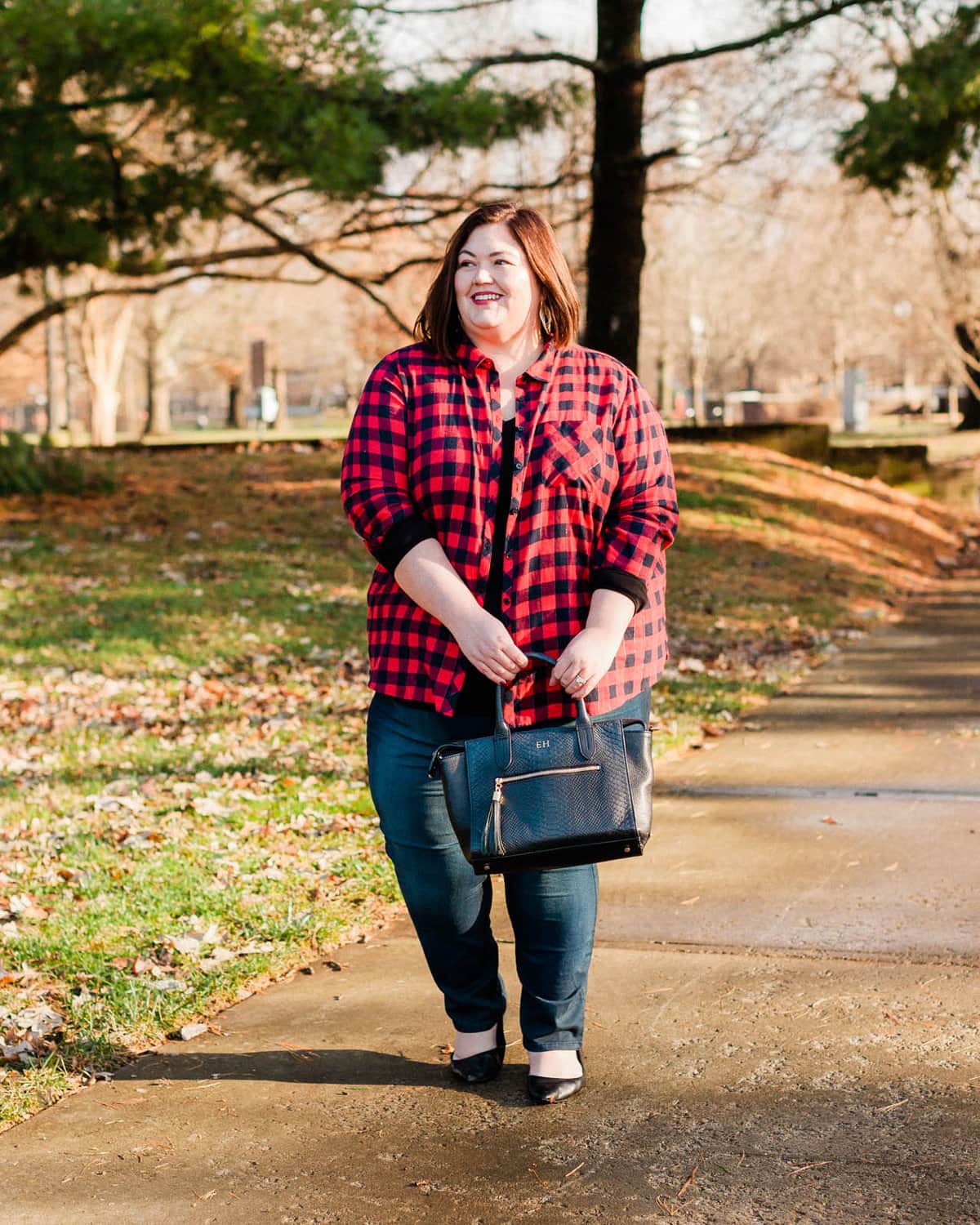
Traditional red and black plaid has its place, but it’s not the only option. And for daily wear, it’s often the quickest route to “costume.” You’re defaulting to the obvious, the cliché. Expand your palette. Think unexpected color combinations: navy and forest green, grey and subtle lavender, camel and deep burgundy. These modern takes on classic checks instantly elevate the print. Brands like Reiss or even Zara often feature contemporary plaid in sophisticated, muted tones. These aren’t just colors; they’re statements of intent. Avoid bright, primary color clashes unless you’re intentionally going for a specific punk aesthetic (and even then, do it with purpose, not by accident). A subtle grey plaid with a thin thread of yellow or blue woven in can be incredibly versatile, providing depth without screaming for attention. It’s about sophistication, not saturation. Make a smart choice.
Silhouette Sabotage: Avoid the Boxy Blunder
The classic plaid shirt is often cut for comfort, not style. It’s boxy, shapeless, and instantly unflattering on most body types. You can love a relaxed fit, but “relaxed” is not “unstructured sack.” There’s a difference. When choosing plaid garments, pay attention to the cut. For shirts, look for a slightly more tailored fit, or if oversized, ensure it has a drop shoulder and a defined drape, not just excess fabric pooling around you. For blazers, a sharp shoulder and a nipped waist make all the difference, creating an intentional silhouette. A plaid pencil skirt offers a much sleeker profile than a gathered A-line. Brands like COS excel at modern silhouettes that are relaxed yet structured. The goal is to let the plaid be the feature, not for it to hide your figure. A modern plaid outfit is about intention, not accident. Don’t cheap out on the fit.
How to Wear Plaid Without Looking Like a Costume (The Modern Rules)
Forget everything you think you know about plaid. The rule isn’t “one plaid item per outfit.” It’s “style it smart, or don’t bother.” Plaid is a texture, a pattern, a statement. Treat it that way. The key to making it look modern isn’t avoiding it; it’s integrating it thoughtfully. Stop thinking of plaid as a standalone piece. It’s a foundational element or a strategic accent. The best looks involve breaking expectations, not adhering to them. You want “effortlessly chic,” not “tried too hard.” This means knowing when to push it and when to pull back. It’s about confidence in your choices.
Mix Your Prints, But Carefully
Yes, you can mix plaid with other patterns. Don’t shy away. The trick is contrast in scale and color. Pair a large-scale windowpane plaid blazer with a fine pinstripe shirt. The difference in size prevents visual clutter, allowing each pattern to breathe. Or take a subtle Glen Plaid trouser and pair it with a delicate floral blouse; the hard geometric lines of the plaid soften against the organic curves of the floral. The common thread should be color. If your plaid has hints of navy, look for a floral or stripe with navy as a base. It creates cohesion without being matchy-matchy. Don’t throw a busy Tartan with a loud leopard print unless you’re a seasoned stylist or aiming for outright maximalism. Start simple, with one dominant pattern and one supporting, less aggressive print. It’s an art, not a free-for-all.
The Unexpected Plaid Piece
Stop defaulting to the flannel shirt. It’s an easy trap. Instead, think about where plaid truly shines in an unexpected context. A plaid midi skirt, for example, especially one with an asymmetrical hem or a knife pleat, can look incredibly sophisticated paired with a simple cashmere sweater or a crisp white button-down. A pair of tailored plaid trousers, perhaps in a subtle grey check, reads as smart and polished, a fantastic alternative to plain black or navy work pants. Even a plaid jumpsuit or a shift dress can be a statement. These pieces inherently command more attention and often come in more refined cuts and fabrics. Think beyond casual wear. Elevate the plaid. Brands like J.Crew or & Other Stories frequently offer these types of sophisticated plaid garments. They’re worth the investment.
Accessorize It: Small Doses, Big Impact
If head-to-toe plaid feels like too much, or if you’re just starting, use it in accessories. A strong opinion: a plaid scarf from Burberry will always be timeless. It’s a classic for a reason. But you don’t need designer labels to get the effect. A plaid clutch or cross-body bag can add a pop of pattern to an otherwise monochromatic outfit, injecting instant visual interest. Plaid loafers or ankle boots introduce an element of preppy cool or punk edge without overwhelming. Even a simple plaid hair scarf or a watch strap can inject personality. The beauty of plaid accessories is their versatility; they’re easy to swap out and less of a commitment. This allows you to experiment with different patterns and colors without overhauling your entire wardrobe. It’s a low-risk, high-reward strategy for anyone.
Plaid Patterns: What’s What and When to Wear It
Not all checks are created equal. You need to know the difference. Calling every patterned fabric “plaid” is like calling every car a “sedan.” It’s imprecise and it limits your understanding. The beauty of plaid lies in its diversity. Each pattern carries its own history, its own vibe. Understanding these distinctions is not just academic; it directly informs how and when you should wear them. Stop guessing. Know your patterns. This isn’t just about names; it’s about context and connotation. Your style depends on it.
| Plaid Pattern | Key Characteristics | Best For | Vibe & Styling Notes |
|---|---|---|---|
| Tartan | Criss-crossed horizontal and vertical bands in multiple colors, often associated with Scottish clans. Typically vibrant and bold. | Formalwear, kilts, statement coats, scarves (e.g., Burberry). | Traditional, bold, can be preppy or punk depending on styling. Pair with solids to let the pattern shine. Think heritage. |
| Gingham | Simple, balanced check pattern, usually two colors (most commonly white and a contrasting color like red, blue, or black). Distinct squares. | Summer dresses, picnic blankets, casual shirts, blouses. | Sweet, classic, retro, often evokes a quaint, rustic feel. Works well with denim or linen. Light and airy. |
| Glen Plaid (or Prince of Wales Check) | Complex weave of small and large checks, often with a subtle houndstooth or other smaller pattern incorporated within. Muted colors (greys, browns, sometimes a fine colored thread). | Tailored suits, blazers, trousers, sophisticated skirts. | Sophisticated, professional, subtle elegance. Ideal for business casual or smart everyday wear. Think old money, refined taste. |
| Houndstooth | Abstract, jagged check pattern resembling a dog’s tooth, typically black and white. Can be large or small scale, very graphic. | Coats, blazers, skirts, dresses, accessories. | Elegant, graphic, bold. A stronger statement than Glen Plaid. Excellent for structured pieces. A classic with an edge. |
| Buffalo Check | Large, alternating squares of two colors, traditionally red and black, but also black and white, or navy and white. Very bold and distinct. | Flannel shirts, casual jackets, outdoor wear. | Rugged, Americana, cozy. Definitely lean into its casual nature. Avoid trying to dress it up too much. It’s inherently informal. |
Understanding Tartan vs. Gingham
These two are often confused, but they’re miles apart. Tartan, with its intricate multi-colored bands and bold criss-crosses, screams heritage. It’s a statement. Think Vivienne Westwood’s punk interpretations or the classic Burberry check. You wear tartan when you want attention, when you want to make a definitive statement about tradition or rebellion. Gingham, on the other hand, is simpler, usually two colors creating a clean, crisp square pattern. It’s inherently lighter, often evoking a country aesthetic or retro charm, like a 1950s diner. A gingham dress feels entirely different from a tartan skirt. One is a historical declaration; the other is a nod to pastoral ease. You wouldn’t wear a gingham blazer to a formal event unless you’re deliberately subverting norms. Know the mood each pattern sets. It’s crucial.
When to Deploy Glen Plaid or Houndstooth
When you need sophistication and professionalism, reach for Glen Plaid or Houndstooth. These are your workhorses for smart dressing. Glen Plaid, with its subtle, interwoven checks, is the epitome of quiet luxury. It’s refined, intelligent, and less aggressive than a bold tartan. It works beautifully on tailored trousers, blazers, or even a chic shift dress. Its understated nature makes it incredibly versatile for office wear or polished casual outfits. Houndstooth, while also refined, is more graphic. Its distinctive jagged pattern adds visual interest and a touch of drama, especially in a larger scale. A houndstooth coat is a power move, commanding respect. Both patterns elevate an outfit without being flashy. They speak volumes about attention to detail and sartorial confidence. Don’t underestimate their impact. They are the antithesis of the casual flannel.
The Best Plaid Investments: Pieces That Actually Work (And Last)
If you’re going to buy plaid, buy the right plaid. This isn’t about chasing trends; it’s about acquiring versatile, enduring pieces that will actually serve your wardrobe. You need items that can be styled multiple ways, season after season. Don’t waste money on a cheap, flimsy plaid shirt that will fall apart after two washes. Invest in quality, structure, and classic cuts. The goal is utility and longevity, not fleeting fashion. This is where your money goes. Make it count.
The Essential Plaid Blazer: A Non-Negotiable
This is your anchor. A well-cut plaid blazer is arguably the single most important plaid item you can own. It instantly elevates anything: jeans, a simple black dress, even tailored shorts. Look for a wool blend or a substantial fabric that holds its shape. A neutral base like grey, camel, or navy with a subtle contrasting check (think Glen Plaid or a refined windowpane) offers maximum versatility. Brands like Reiss, Maje, or even higher-end options from The Row (if your budget allows) create blazers that are structured, timeless, and impeccably tailored. An oversized, borrowed-from-the-boys fit works, but ensure the shoulders are defined, not sloppy. It’s the easiest way to incorporate plaid’s sophistication without overcommitting. You can wear it to work, out to dinner, or casually on the weekend. Period.
Skirts & Trousers: Ditch the Shirt, Elevate Your Bottoms
Forget the plaid shirt. Focus on plaid bottoms. A tailored pair of plaid trousers, especially a straight-leg or wide-leg cut, transforms an outfit. They read as polished and intelligent, instantly upgrading your look from casual to sophisticated. Pair them with a solid knit sweater or a silk blouse. Similarly, a plaid midi skirt, whether pleated, A-line, or pencil, offers a sophisticated alternative to plain skirts. Look for quality fabrics that drape well and don’t wrinkle easily. Think specific brands like COS for modern, minimalist cuts in subtle plaids, or Massimo Dutti for more classic, tailored options. Avoid anything overly flimsy or with excessive gathers; cheap fabric will ruin the effect. The structure is key here. These pieces are often the focal point, so ensure they fit impeccably and are made from a fabric that feels substantial. Don’t compromise.
Smart Accessories: Belts, Bags, and Shoes
Sometimes, a small dose is all you need. A strong opinion: a well-chosen plaid accessory can be more impactful than an entire garment. Consider a structured plaid handbag, perhaps a mini tote or a clutch, that adds a graphic punch to a monochrome ensemble. Plaid belts, especially a skinny one cinching a solid dress or blazer, can define a waist and inject personality. And don’t overlook footwear. Plaid loafers, ankle boots, or even pointed-toe flats can be surprisingly chic and break up an otherwise plain outfit. Brands like Loeffler Randall sometimes offer plaid footwear that stands out. The beauty here is experimentation. You can play with bolder, more vibrant plaids in accessories without the risk of looking overwhelmed. These are the finishing touches that show you know what you’re doing. They demonstrate intentional style.
Quick Takes: Plaid Dos and Don’ts
Let’s cut to the chase. Plaid isn’t rocket science, but it isn’t foolproof either. You need a few hard rules to keep you on track. This isn’t a suggestion; it’s a directive. If you follow nothing else, follow these. They will save you.
- DO mix your plaids: but vary the scale. Large check with a subtle micro-check. It works.
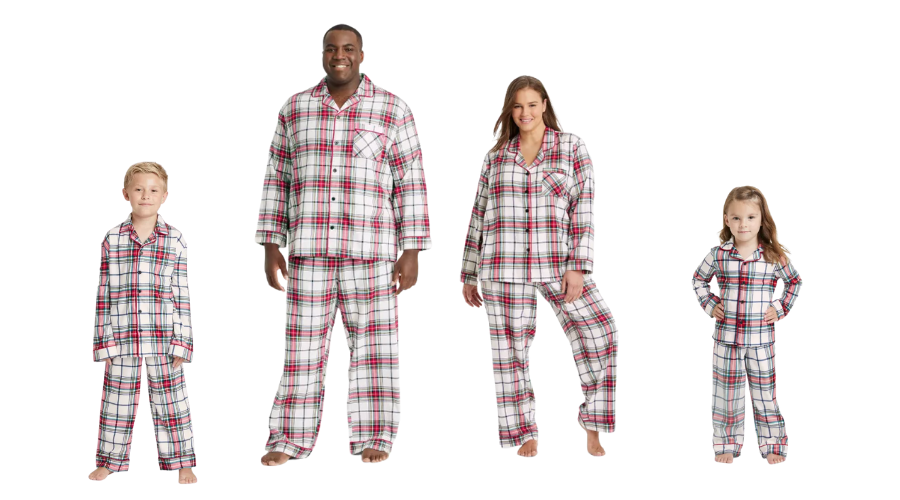
- DON’T wear head-to-toe matching plaid: unless you’re going to a themed party or are a high-fashion model. It’s too much for daily wear.
- DO layer plaid: a plaid shirt under a solid sweater, or a plaid blazer over a simple tee. Depth is good.
- DON’T default to the red and black flannel: unless you’re actually going camping. Expand your color palette. Seriously.
- DO consider texture: a wool plaid blazer is different from a cotton plaid shirt. Use that to your advantage. Mix rough with smooth.
- DON’T ignore fit: a baggy, ill-fitting plaid garment looks sloppy. Tailoring is your friend. Always.
- DO use plaid as an accent: scarves, bags, shoes. Small doses make a big statement.
- DON’T combine too many loud elements: if your plaid is bold, keep everything else muted. Let the plaid speak for itself.