Build a Boho Style That Looks Intentional, Not Accidental
Build a Boho Style That Looks Intentional, Not Accidental
You spent $180 on three boho pieces — a flowy maxi skirt, a crochet top, a fringe bag. Put them all on. Looked like a Halloween costume. This is the most common boho mistake: buying the right individual pieces and combining them wrong.
Here’s how boho fashion style actually works — and how to make it click every time.
Why Boho Outfits Fall Apart Before You Leave the House
Most people approach boho like a costume: grab everything that reads “free-spirited” and wear it all at once. Fringe bag, crochet top, printed maxi, layered necklaces, tasseled ankle boots. The result looks chaotic because it is. Boho is not about maximalism. It’s about selective layering — three or four deliberate elements, with one piece doing most of the visual work while everything else quietly supports it.
The “More Is More” Trap
When every piece competes for attention, nothing reads as a statement. The eye doesn’t know where to land. Boho dressing works when one element is loud and everything else steps back. A heavily embroidered kimono over a plain white tee and wide-leg jeans — that works. That same kimono over a printed tank with a fringed skirt and stacked bracelets — that’s a costume.
The fix is simple: look at your outfit and identify which single piece you want someone to notice. If the answer is “all of it,” take one thing off. Do this every time until it becomes automatic.
Texture Clash vs. Print Collision
Two different problems that people often confuse. Texture clash is when fabrics fight each other — raw denim against fluid chiffon can work beautifully; polyester satin against cotton lace almost never does. Print collision is putting two competing patterns in the same outfit: a floral maxi and a geometric crochet top are at war. A floral maxi and a solid crinkle-cotton blouse are in harmony.
The rule: one print per outfit. If your hero piece has pattern, embroidery, or heavy surface texture, everything else stays solid or uses only subtle texture — a linen weave, a light ribbing, a plain cotton voile.
The 5 Boho Sub-Styles — Pick One Before You Dress
There is not one boho aesthetic. There are at least five, each with its own palette, key pieces, and internal logic. Most styling failures happen because someone mixes sub-styles without realizing it — a desert boho straw hat dropped into a festival boho outfit, or coastal boho whites paired with classic 70s suede fringe.
| Sub-Style | Key Aesthetic | Core Pieces | What to Avoid |
|---|---|---|---|
| Classic 70s Boho | Warm browns, suede, fringe | Flared jeans, suede jacket, peasant blouse | Synthetic fabrics, bright or cool colors |
| Desert Boho | Earthy neutrals, minimal jewelry | Linen trousers, wrap sandals, straw hat | Heavy embroidery or fringe |
| Coastal Boho | Whites, creams, macramé textures | Crochet cover-up, linen dress, rope sandals | Dark moody tones, heavy layering |
| Modern Boho | Sleek silhouettes, muted prints | Silk slip dress, printed kimono, white tee | Fringe overload, visible bralettes |
| Festival Boho | Layered, maximalist, bold color | Smocked top, cutoffs, stacked rings | Corporate fabrics like ponte or nylon |
The reason mixing sub-styles usually fails isn’t just aesthetic — each one has an internal logic built around color temperature and fabric weight. Classic 70s boho is warm, grounded, heavy. Coastal boho is airy, light, and minimal. When you pull pieces from opposite columns, the visual temperature collides even when the individual items are good. They’re wrong together, not wrong on their own.
Pick your column before you shop or get dressed. Everything within that column was designed to coexist.
8 Foundation Pieces Every Boho Wardrobe Actually Needs
Statement pieces only work when they have a foundation underneath them. Skip the dramatic embroidered jacket until you have these eight covered. Real brands and real price points are included so you know what quality actually looks like at each level.
- A quality maxi skirt in an earth tone. Free People’s tiered cotton maxi skirts (around $98) set the benchmark — the weight and drape is what most $30 alternatives fail to replicate. Picking the skirt silhouette that fits your specific frame before you invest saves expensive returns on something that photographs well but wears wrong.
- A linen or cotton peasant blouse. Anthropologie carries solid options in the $60–90 range. Elastic smocking at the chest or sleeves is the quality signal. Polyester versions pill within a season and trap heat — skip them entirely.
- One piece of genuine suede or leather. A belt, a bag, or ankle boots. Minnetonka’s Double Fringe Booties ($100) are the most accessible entry point. Real suede only — faux suede starts peeling within months of regular wear.
- A printed kimono or duster cardigan. Urban Outfitters stocks reliable options at $45–65. This is your designated print piece for any outfit it anchors, which means everything else stays solid when you wear it.
- A wide-brim hat. Lack of Color’s “Wave” style ($139) is the quality standard most discussions start with. Brixton makes strong alternatives at $50–70. Fit matters: brim should sit just above your eyebrows, not perch on the crown of your head.
- Layered delicate jewelry. Thin gold chains, turquoise pendants, hammered silver rings. Buy individual pieces over time, not a matching set. Sets read as costume; collected pieces read as personal history.
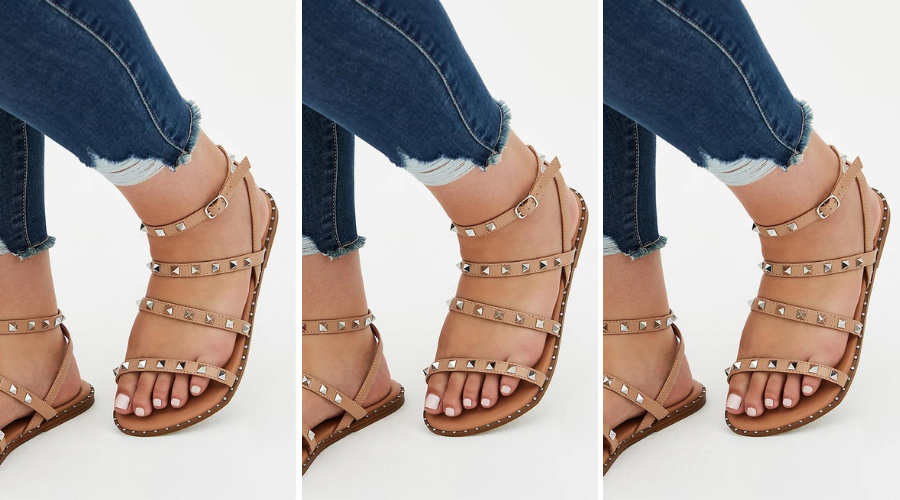
- Flat leather sandals with ankle straps. Steve Madden’s “Elana” sandal ($79) handles the vast majority of boho occasions. Birkenstock Arizonas in suede are genuinely boho — not just a passing trend — and hold up for years with basic care.
- A woven or crochet bag. Cleobella makes some of the best-constructed options in the $150–220 range. At the lower end, Madewell’s basket totes hold their shape and don’t look cheap. The bag reveals quality more than almost anything else you’re wearing — a poorly made one undercuts an otherwise strong outfit.
You don’t need all eight immediately. Start with the skirt, a solid blouse, and flat sandals. These are the core elements that most comprehensive boho chic wardrobe guides build from — everything else is variation and personal taste.
The Rule That Makes Boho Look Expensive
One focal point per outfit. Every coherent boho look has one thing you’re supposed to notice — an embroidered jacket, a printed skirt, a statement bag. Everything else stays quiet. That’s the whole rule, and it explains why most boho outfits miss.
How to Build Your First Boho Outfit: 5 Steps
Order matters here. Most people start with accessories and work backward. That’s backwards.
Step 1: Choose Your Hero Piece
Start with one statement: a printed maxi skirt, an embroidered blouse, or a fringed jacket. Your hero determines the sub-style, the color palette, and the energy of the entire outfit. Everything else responds to this choice. Don’t start with a hat or jewelry — those are the last decisions, not the first.
Step 2: Add a Quiet Foundation Layer
If the hero is loud — bold pattern, heavy embroidery, significant fringe — the base layer stays plain. Solid linen blouse with a printed skirt. White fitted tee with an embroidered kimono. The formula is loud plus quiet, consistently. Never loud plus loud.
Step 3: Add One Texture Layer
A denim jacket, a lightweight cardigan, or a vest. This is your structure piece — not statement, just form. It completes the layered quality that defines boho across all sub-styles. Skip it in summer if you want. In cooler weather, it finishes the look in a way that bare arms don’t.
Step 4: Ground It with Footwear
Flat sandals or ankle boots work across almost every boho context. Chunky sneakers read too sporty. Square-toe mules read too office-forward. If you’re wearing a long maxi, ankle boots that peek at the hem add a grounding finish and create a small moment of contrast that pulls the eye downward with intention.
Step 5: Add Jewelry Last — Then Remove One Piece
Layer two or three necklaces. Stack a ring or two. Add earrings. Then look in the mirror and remove the one piece that feels like an addition for addition’s sake. It’s usually the bracelet. Removing it makes the remaining jewelry feel chosen rather than collected, which makes the whole outfit read as more intentional.
Why Cheap Boho Looks Cheap — And What Free People Gets Right
The problem with most budget boho isn’t the styling. It’s the fabric. This is the part most fashion advice quietly skips.
Fabric Weight Changes Everything
Boho silhouettes — tiered, draped, flowy — depend entirely on how fabric moves on a real body. Natural fibers like cotton, linen, rayon, viscose, and silk move the way these cuts need. Polyester hangs stiffly or clings depending on the cut. A $25 polyester maxi skirt and a $95 rayon one look nearly identical on a hanger. On a body, they are completely different garments.
Free People specifically engineers their fabrics for movement. Their Intimately line uses rayon-cotton blends that drape beautifully and hold up to regular wear. Spell & the Gypsy Collective, an Australian label with a devoted following, builds their signature pieces in rayon crepe — dresses that run $180–280 but last years with hand washing. That’s not indulgence; it’s cost-per-wear math applied correctly.
When shopping, check the fabric content label before you try anything on. More than 30% polyester in a flowy boho silhouette almost always disappoints. Look for linen, cotton, rayon, viscose, and Tencel on the tag. Walk past anything labeled “woven polyester” in a tiered skirt.
The Fit Paradox in Boho Clothing
Boho is not formless. This is the most common misconception about the style.
Good boho pieces fit somewhere — at the bust, waist, or shoulders — and flow from there. Pieces that are simply large and shapeless don’t read as relaxed and intentional; they read as ill-fitting. Look for elastic smocking, adjustable tie closures, or intentional darting even in “oversized” silhouettes. These construction details are what separate a well-designed boho piece from fabric with a pattern printed on it.
The test when you’re trying something on: ask where it fits. If the answer is “nowhere,” size down or leave it. Boho is intentional ease, not accidental bagginess. The difference is visible from across a room.
Boho Style Questions — Direct Answers
Can I wear boho style to the office?
Yes, but stay in modern boho territory specifically. A printed midi skirt with a tucked linen blouse and leather flats reads as artistic and polished. Fringe, visible slip silhouettes, and heavy festival layering stay home. Anthropologie designs several pieces explicitly for this office-boho overlap — their smocked midi skirts and linen blouses work in most professional environments. The test: if you could wear it to an art gallery opening without feeling underdressed, it works at work.
How do I make boho look pulled-together instead of messy?
Two things: proportion and one structural anchor. Keep proportions balanced — flowy bottom with a fitted or tucked top, or a relaxed billowy top with a more structured skirt. Then anchor the look with one clean, well-made piece: a leather belt, a structured bag, or a simple blazer thrown on top. Structure signals that the looseness is a deliberate choice.
Boho that looks messy almost always has a proportion problem — too much volume everywhere with nothing creating a clear silhouette. That’s the diagnosis before anything else.
Can petite or plus-size figures pull off boho?
Yes, but proportions matter more at both ends of the size range. For petite frames, shorter silhouettes — midi length instead of maxi, or cropped embroidered jackets — prevent the look from overwhelming the body. For plus-size figures, wide-leg pants and tiered midi skirts create movement without adding visual bulk at the hips. The fabric weight rule applies even more strictly: lightweight natural fibers drape and move flatteringly; stiff polyester adds unwanted visual volume regardless of the cut.
What’s the difference between boho and bohemian?
Nothing, in practical fashion terms. “Bohemian” refers to the 19th-century artistic counterculture the aesthetic draws from historically. “Boho” entered mainstream fashion vocabulary in the early 2000s. Today they’re fully interchangeable — use whichever one surfaces better results when you search.
Back to that mirror. The flowy maxi skirt goes back on. This time, the crochet top stays in the closet — it’s a second loud piece fighting for the eye’s attention and losing. A plain linen blouse goes on instead. The fringe bag stays as the one textural statement. Leather sandals ground the whole thing. One thin gold chain. The outfit clicks. Same wardrobe. Different logic. That’s the entire difference between boho and costume.