
Top Boho Chic Wardrobe Essentials for a Refined 2025 Aesthetic
A common misconception persists that boho chic is synonymous with the chaotic, fringe-heavy aesthetic of 2010s music festivals. People often envision dusty flower crowns, synthetic lace vests, and an overabundance of turquoise plastic beads. This is a misunderstanding of a style that actually finds its roots in 19th-century French romanticism and the high-fashion rebellion of the 1970s. Modern boho chic, particularly as we look toward the 2025 landscape, has shed the costume-like layers of its past. It has evolved into a sophisticated, texture-driven philosophy that prioritizes craftsmanship over clutter. To understand the current movement, one must look past the bargain bins and toward the runway revivals that emphasize fluidity, natural fibers, and a muted, earthy palette that feels more at home in a Parisian bistro than a desert mosh pit.
What defines the boho chic aesthetic in 2025?
The current iteration of boho chic is less about looking like a wanderer and more about looking like an artist with an exceptional tailor. We are seeing a shift away from the neon-bright tie-dyes toward a palette of “oatmeal,” “terracotta,” and “deep moss.” The silhouette remains loose, but the construction has become much more deliberate. In 2025, the aesthetic is defined by the tension between structured luxury and effortless drape. Think of it as the intersection of 1970s Stevie Nicks and modern minimalism. The focus has shifted to the quality of the textile—linen that crinkles beautifully, silk that has weight to it, and suede that feels like a second skin.
The influence of the 70s revival
Much of what we consider “top boho chic” right now is a direct response to the Chloé Fall/Winter 2024 collection under Chemena Kamali. This collection single-handedly resurrected the “boho-pioneer” look, emphasizing sheer ruffles, high-waisted denim, and oversized gold hardware. It moved the needle away from the rigid “quiet luxury” trend and gave people permission to embrace movement again. This isn’t just about wearing a long skirt; it’s about the way the fabric reacts to the wind. The 2025 version of this style incorporates vintage-inspired elements like balloon sleeves and intricate embroidery but keeps the styling sharp—pairing a romantic blouse with a sleek, dark-wash flare jean rather than more ruffles.
Key fabrications and textures
If you want to master this look, you have to ignore the prints for a moment and look at the weave. Broderie anglaise, crochet, and macramé are the pillars here. However, the distinction in 2025 is the fiber content. Cheap polyester lace is the enemy of the authentic bohemian look. Instead, look for cotton lace or linen blends. These materials breathe, they age well, and they hold the structural integrity required for those dramatic silhouettes. Suede is also making a massive comeback, not just in footwear but in vests and outerwear, providing a heavy, tactile contrast to the lightness of silk and chiffon.
Which essential pieces form the foundation of a boho chic wardrobe?

Building a functional boho wardrobe requires a few high-impact pieces that can be rotated through different seasons. You don’t need a hundred items; you need five or six that serve as the anchor for everything else. The goal is to create a look that feels accidental yet curated. When selecting these pieces, pay attention to the “heaviness” of the item. A great bohemian outfit usually balances a very light, airy top with a grounded, sturdy bottom, or vice versa.
The quintessential Maxi Dress
The Free People Isabella Maxi Dress (approx. $168) is a prime example of this category. It features a tiered skirt and a smocked bodice that offers a flattering silhouette for various body types. Pro: The cotton fabric is incredibly breathable and the movement of the skirt is dramatic. Con: The sizing tends to run quite large, often requiring a size down for a secure fit. This dress works because it can be dressed down with flat sandals or elevated with a structured belt and boots.
The Suede Ankle Boot
Footwear is where many people stumble. To stay in the “chic” lane, you need something with a bit of a western edge but refined lines. The Isabel Marant Dicker Boot (approx. $650) has remained a staple for over a decade for a reason. Pro: The 2-inch stacked heel is the perfect height for all-day walking, and the almond toe elongates the leg. Con: The price point is a significant investment for a seasonal item. These boots provide the necessary “grit” to balance out a floral dress, preventing the outfit from becoming too precious.
The Detailed Blouse
A blouse with personality is the easiest way to inject boho vibes into a casual outfit. The Spell Butterfly Blouse (approx. $180) utilizes hand-drawn prints and intricate button details. Pro: The craftsmanship in the print design is unique and recognizable. Con: The fabric is often a delicate rayon or silk blend that requires hand-washing or dry cleaning. Pairing a blouse like this with vintage Levi’s is the “uniform” of the modern bohemian.
| Item Category | Key Feature | Ideal Material | Styling Tip |
|---|---|---|---|
| Maxi Dress | Tiered Skirt | Cotton / Linen | Add a leather belt for waist definition. |
| Footwear | Stacked Heel | Suede / Leather | Wear with cropped flares to show off the ankle. |
| Blouse | Balloon Sleeves | Silk / Voile | Tuck into high-waisted denim. |
| Outerwear | Fringe or Embroidery | Suede / Shearling | Keep the rest of the outfit monochrome. |
How do you style boho chic without looking like a costume?
The danger of the bohemian aesthetic is the “costume effect.” If you wear the fringe jacket, the wide-brim hat, the turquoise jewelry, and the flared jeans all at once, you aren’t wearing an outfit—you’re playing a character. The secret to a modern, chic approach is the “one-and-done” rule. Pick one loud bohemian piece and surround it with modern, structured staples. If you are wearing a heavily embroidered jacket, wear it over a simple white t-shirt and straight-leg trousers. This creates a point of interest without overwhelming the senses.
The importance of structured layering
Layering is a hallmark of the style, but in 2025, we are seeing more “hard” layers. This means instead of a floppy cardigan, you might opt for a structured blazer in a warm tan or a denim jacket with a clean, raw hem. This structure provides a frame for the flowy fabrics underneath. It anchors the look. For example, a sheer, ruffled midi skirt looks incredibly high-fashion when paired with a slightly oversized, masculine blazer. The contrast between the feminine ruffles and the sharp shoulders of the blazer is what makes it “chic” rather than just “boho.”
Jewelry: Less is more (usually)
While the 70s were all about the “more is more” approach to jewelry, the 2025 aesthetic is more discerning. Instead of twenty thin bangles, choose one heavy, hand-forged silver cuff. Instead of ten layered necklaces, choose one high-quality piece with a meaningful stone like malachite or tiger’s eye. The goal is to make the jewelry look like an heirloom you’ve collected over years of travel, not something you bought in a pack from a fast-fashion retailer. Focus on metals that have a bit of patina—brushed gold or oxidized silver—rather than high-shine finishes.
Modern boho chic is a celebration of the artisan. It’s about choosing pieces that look like they have a history, even if you just bought them. The moment it starts looking too “new” or too “plastic,” the magic is lost.
What are the best brands for high-quality boho chic clothing?

Finding the right brands is a matter of budget and ethics. The market is flooded with cheap imitations that use thin, static-prone fabrics, but if you want the look to last, you have to look toward brands that specialize in these specific silhouettes. There is a wide spectrum of designers who have made this their entire identity, ranging from high-end luxury to approachable indie labels.
The Luxury Standard: Chloé
Chloé is the undisputed mother of the boho chic movement. Under various creative directors, the brand has consistently championed the romantic, free-spirited woman. Their pieces often feature silk chiffon, intricate lace, and heavy gold hardware. While a dress can easily cost upwards of $3,000, the brand sets the tone for the entire industry. If you want to understand the “why” behind the current trends, looking at Chloé’s archives is the place to start. Their bags, like the Marcie or the Tess, are excellent entry points into the luxury boho world.
The Mid-Range Favorites: Free People and Anthropologie
For most people, Free People is the go-to. They offer a massive variety of styles, but the quality can be hit-or-miss. You have to be a savvy shopper. Look for their “Endless Summer” or “We The Free” lines, which often prioritize cotton and linen over synthetics. Anthropologie offers a slightly more “grown-up” version of the look, with a focus on home-grown prints and embellished details. Both brands are excellent for finding that specific “festival-to-brunch” transition piece.
The Indie Darlings: Spell and Christy Dawn
If you are looking for something more unique, Australian brand Spell (formerly Spell & The Gypsy Collective) is legendary for their floral prints. Their designs are often copied but rarely matched in terms of print placement and color depth. On the other hand, Christy Dawn focuses on the “cottagecore-meets-boho” aesthetic, using deadstock fabric and sustainable practices. Their Dawn Dress (approx. $218) is a cult favorite for its timeless, prairie-inspired silhouette. These brands offer a story along with the garment, which aligns perfectly with the bohemian ethos.
How does sustainable fashion intersect with the bohemian lifestyle?
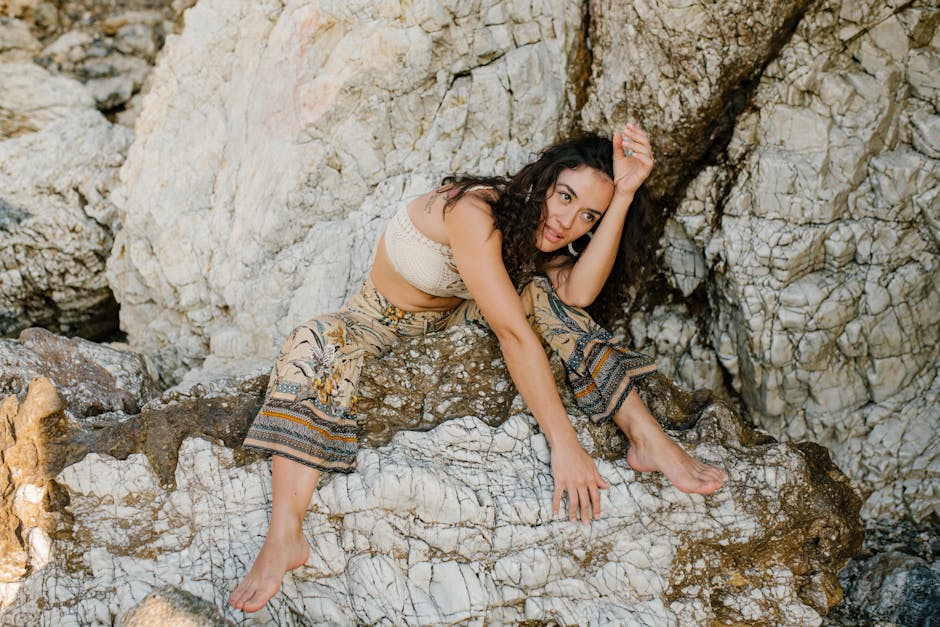
The bohemian philosophy is, at its core, about a connection to nature and a rejection of mindless consumerism. This makes the rise of “fast-fashion boho” particularly ironic. To truly embrace the style, one should consider the environmental impact of their wardrobe. Natural fibers are not just an aesthetic choice; they are a functional one. Linen, hemp, and organic cotton are the backbone of a sustainable boho wardrobe. These fabrics are biodegradable, they require less water to produce than polyester, and they actually get better with age.
The role of thrifting and vintage
You cannot have a discussion about boho chic without mentioning vintage. Some of the best bohemian pieces ever made were produced in the late 1960s and early 1970s. Searching for “vintage gunne sax” or “70s embroidered sheepskin” on resale platforms like Depop or Vestiaire Collective can yield treasures that no modern brand can perfectly replicate. Thrifting allows you to find authentic textures and patterns that haven’t been filtered through a modern corporate lens. It also ensures that your style remains individual—you won’t walk into a room and see three other people wearing the exact same dress.
Caring for your bohemian pieces
Because high-quality boho clothing often involves delicate details like fringe, embroidery, or natural dyes, maintenance is key. Many of these items should never see the inside of a dryer. Air-drying linen pieces helps maintain their structure, while suede requires a specific brush and protective spray to prevent water damage. By investing time in the care of these garments, you are participating in “slow fashion,” which is the ultimate bohemian statement. It’s about valuing what you own and resisting the urge to replace items every season. In the end, the most “chic” thing you can wear is a well-loved piece that has traveled with you for years.