Best Shoes for Women for Plantar Fasciitis 2025: Stylish Support Options
Why does your heel feel like it’s being stabbed by a hot needle every morning? You know the sensation. You swing your legs out of bed, touch the floor, and immediately regret being a biped. It is plantar fasciitis. It is common, it is frustrating, and it is almost always aggravated by the garbage shoes you are currently wearing. Most fashion footwear is designed for aesthetics first and human anatomy a distant second. If your shoes have the structural integrity of a cardboard box, your feet will pay the price.
You don’t need a medical degree to fix this, but you do need better gear. We are looking for three things: arch support, heel cushioning, and a rigid midsole. If you can fold your shoe in half like a taco, throw it away. It is doing nothing for you. This guide cuts through the marketing fluff to identify which specific models actually provide the stability required to let your plantar fascia heal while keeping you from looking like you’ve given up on personal style.
What features should you look for in a shoe for plantar fasciitis?
Stop buying shoes based on how they look on a shelf. Your plantar fascia is a thick band of tissue connecting your heel bone to your toes. When it’s inflamed, every step stretches that damaged tissue. To stop the pain, you have to stop the stretch. This requires a shoe with a firm, contoured arch. If the arch of the shoe collapses under the weight of your hand, it will definitely collapse under the weight of your entire body. A high-quality orthotic footbed should feel like a firm shelf for your midfoot.
Heel strike is the next enemy. When your heel hits the pavement, the shock travels directly into the inflamed insertion point of the fascia. You need a deep heel cup. This isn’t just about padding; it’s about containment. A deep cup keeps the fatty pad of your heel centered under the bone, using your body’s natural cushioning to its advantage. Look for shoes that use multi-density foams—softer at the point of impact but firmer around the perimeter for stability.
Finally, check the flex point. A shoe for plantar fasciitis should only bend at the toes, where your foot naturally pivots. If the shoe bends in the middle of the arch, it is a structural failure. You want a rigid shank or a rockered sole. Rocker soles, like those found in Hoka or certain MBT models, roll your foot forward through the gait cycle. This reduces the amount of work your toes and fascia have to do. It feels weird for the first twenty minutes. Then, the pain starts to ebb, and you realize why people swear by them.
Which sneakers provide the best arch support for heel pain?

Sneakers are the easiest win for foot health because they have the most real estate for technology. But don’t just grab any pair of “walking shoes.” You need stability-focused trainers. The Brooks Adrenaline GTS 23 (approx. $140) is a gold standard here. It uses a “GuideRails” system that keeps excess movement in check. Pro: The arch support is substantial without feeling like there’s a rock in your shoe. Con: The aesthetic is very “suburban dad on a power walk,” which might not fit your vibe if you’re aiming for high-fashion minimalism.
If you want maximum cushioning, the Hoka Bondi 8 (approx. $165) is the heavy hitter. It has a massive stack height of foam and a meta-rocker geometry. Pro: It provides unparalleled shock absorption for concrete surfaces. Con: They are bulky. If you have narrow feet, you might feel like you’re wearing moon boots. However, for chronic heel pain, the relief usually outweighs the chunky silhouette. These are favorites among nurses and retail workers for a reason—they work.
For a more versatile look, consider the Vionic Walk Max (approx. $140). Vionic was founded by a podiatrist, and their entire brand is built around “Vio-Motion” technology. Pro: The built-in orthotic is aggressive and effective for flat feet. Con: The foam is significantly firmer than Hoka’s, which some users find too stiff initially. It requires a break-in period of a few days where you only wear them for a few hours at a time.
| Model | Price (Approx) | Key Feature | Best For |
|---|---|---|---|
| Brooks Adrenaline GTS 23 | $140 | GuideRails Support | Overpronation |
| Hoka Bondi 8 | $165 | Max Cushioning | Standing all day |
| Vionic Walk Max | $140 | Podiatrist-designed arch | Daily walking |
| New Balance Fresh Foam 860v13 | $140 | Medial Post | Stability |
Can you find stylish dress shoes and flats for plantar fasciitis?
The short answer is yes, but you have to stop looking at cheap fast-fashion retailers. Flats are notoriously the worst shoes for foot pain because they are usually just a thin slab of rubber. To get a flat that works, you need internal structure. The Frankie4 Poppy (approx. $160) is an Australian brand that has mastered this. They include a functional footbed with arch support and heel cradling. Pro: They look like high-end designer flats. Con: They are an investment, and shipping can be pricey depending on your location.
Another strong contender is Naturalizer 27 Edit line (approx. $130). Naturalizer has spent years rebranding from “grandma shoes” to modern essentials. Their contour+ technology provides a decent amount of anatomical shaping. Pro: Wide size availability and classic silhouettes. Con: The arch support is moderate, so if you have extremely high arches, you might still need a slim-fit 3/4 length insert to get the full relief you need.
If you prefer a knitted look, Vivaia has gained traction for their “Aria 5°” line (approx. $100). They claim to be designed specifically for bunions and foot pain. Pro: They are machine washable and made from recycled plastic. Con: The support is better than a standard ballet flat but lacks the rigid shank found in Frankie4. These are best for short events or office days rather than miles of city walking. They are a significant step up from a standard flat, but don’t expect them to perform like a stability sneaker.
Avoid any shoe where the heel is completely flat. A small 1/2 inch to 1-inch incline (heel-to-toe drop) actually reduces the tension on the Achilles tendon and the plantar fascia. Dead-flat shoes are your enemy.
What are the best sandals for women with chronic foot pain?
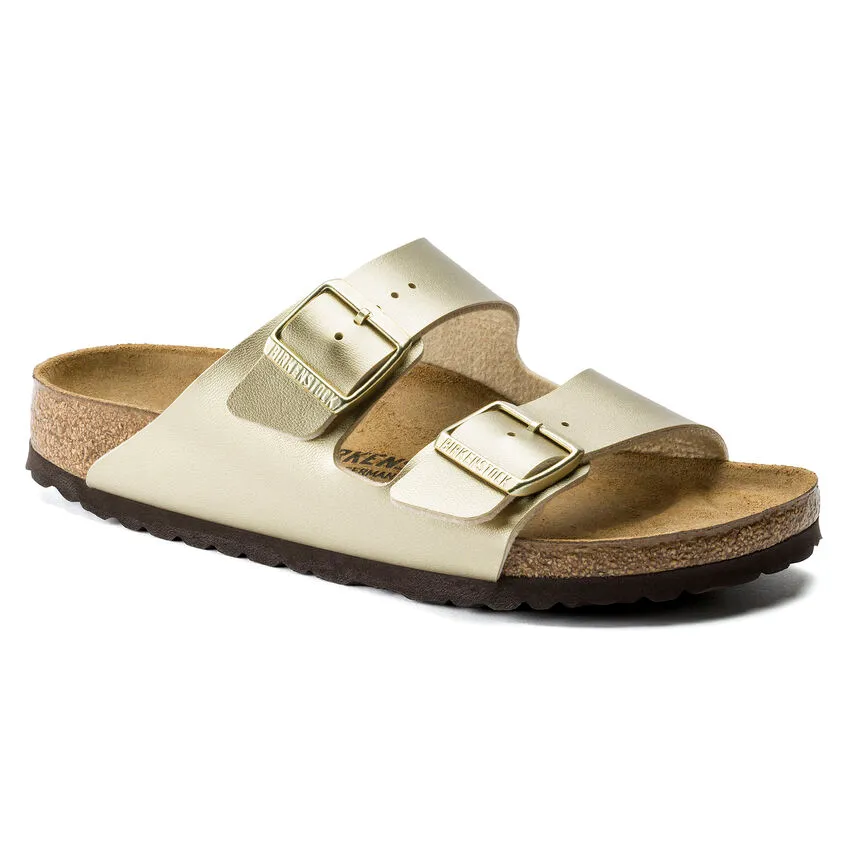
Summer is usually a nightmare for people with plantar fasciitis because flip-flops are essentially a death sentence for your arches. You need a sandal that stays attached to your foot. If you have to “scrunch” your toes to keep the sandal on, you are straining your fascia. Look for backstraps or high-quality molded footbeds. The Birkenstock Arizona Soft Footbed (approx. $140) is the obvious choice. The cork-latex footbed mimics the shape of a healthy foot. Pro: The cork eventually molds to your specific footprint. Con: The break-in period can be painful for the first week as the cork softens.
For recovery after a workout or just wearing around the house, OOFOS OOlala Sandals (approx. $70) are non-negotiable. They use a proprietary foam that absorbs 37% more impact than traditional footwear. Pro: It feels like walking on a cloud that actually supports you. Con: They are entirely made of foam and look like athletic gear. You won’t be wearing these to a wedding, but you should be wearing them the second you get home to let your feet recover from the day.
If you need something dressier, the Vionic Rest Bella Toepost (approx. $80) offers a flip-flop aesthetic with a hidden orthotic. Pro: It has an APMA (American Podiatric Medical Association) Seal of Acceptance. Con: Since it’s a thong-style sandal, it doesn’t offer the same ankle stability as a strapped sandal. It is great for a beach day or a quick lunch, but don’t try to hike a trail in them. The arch support is there, but the lateral stability is minimal.
How do you choose the right size and fit to prevent inflammation?
Most women are wearing shoes that are too small. We have been conditioned to want “dainty” feet, but your feet expand when you walk, especially if you have inflammation. When shopping for shoes to manage plantar fasciitis, go at the end of the day. Your feet are at their largest then. If the shoe feels snug in the store at 10:00 AM, it will be a torture device by 6:00 PM. You need at least a thumbnail’s width of space between your longest toe and the end of the shoe.
Width is just as important as length. If the toe box is too narrow, your toes can’t splay. When your toes are cramped, the mechanics of your entire foot shift, putting more pressure on the heel. Brands like New Balance and Brooks are excellent because they offer multiple widths (D, 2E). Don’t be afraid to move up to a wide width even if you’ve never worn one before. A wider base provides more stability, which reduces the wobbling that irritates the fascia.
Check the heel counter. This is the back part of the shoe that wraps around your heel. It should be stiff. If you can easily push the back of the shoe inward with your thumb, it won’t hold your heel in place. A firm heel counter prevents the heel from rolling inward (overpronation), which is the leading cause of plantar fascia strain. And please, use the laces. Tighten them enough so your foot doesn’t slide forward. Friction is the enemy of healing.
Are high-end orthopedic shoes worth the investment compared to inserts?

This is the question everyone asks: can I just put a $20 drugstore insert into my $50 sneakers? You can, but it’s a half-measure. Cheap inserts are usually just gel or soft foam. They feel good for five minutes because they are squishy, but they provide zero structural support. If you want to go the insert route, you need medical-grade over-the-counter orthotics like Superfeet Green or Powerstep Pinnacle (approx. $50-$60). These are rigid and actually change the geometry of your foot strike.
However, a shoe designed from the ground up for plantar fasciitis is usually better. Why? Because the volume of the shoe is calibrated for the support. When you add a thick orthotic to a standard shoe, your heel often sits too high, leading to heel slippage and blisters. A shoe like a Vionic or a Brooks is engineered so the footbed and the upper work together. The “cost per wear” of a $150 shoe that actually stops your pain is significantly lower than three pairs of $60 shoes that keep you sidelined on the couch.
Custom orthotics from a podiatrist are the final tier. They can cost $400 to $600. Are they worth it? Only if you have severe structural abnormalities that off-the-shelf stability shoes can’t fix. For 90% of people, a combination of a high-quality stability sneaker and a rigid recovery sandal (like OOFOS) will resolve the issue within a few months. Spend the money on the shoes first. If you don’t see improvement in six weeks, then go see the specialist. But stop buying the cheap stuff. Your feet are the foundation of your entire body; stop building your house on sand.
Summary of Recommendations
- For Running/Walking: Brooks Adrenaline GTS 23 or Hoka Bondi 8.
- For the Office: Frankie4 Poppy or Naturalizer 27 Edit.
- For Home/Recovery: OOFOS OOlala.
- For Summer: Birkenstock Arizona (Soft Footbed).
Fixing plantar fasciitis isn’t about one “magic” shoe. It’s about a consistent environment for your feet. Wear the right sneakers for your commute, keep the OOFOS by your bed for that first step in the morning, and choose structured flats for the office. If you stop the constant micro-tearing caused by bad footwear, your body will do the rest of the work. It’s not a lifestyle change; it’s just a gear upgrade.